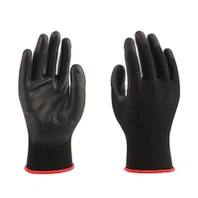
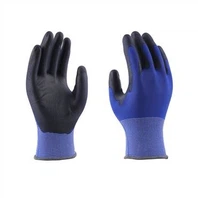
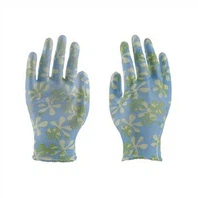
Nitrile coated work gloves have become a staple in various industries due to their excellent grip, durability, and resistance to chemicals and abrasions. However, when it comes to cold weather conditions, their performance can be a subject of concern. As a supplier of nitrile coated work gloves, I've had numerous inquiries about how these gloves fare in the cold. In this blog post, I'll delve into the science behind nitrile's behavior in low temperatures, discuss the impact on glove performance, and provide some tips for using nitrile coated work gloves effectively in cold weather.


Understanding Nitrile in Cold Weather
Nitrile is a synthetic rubber known for its flexibility, strength, and chemical resistance. At normal temperatures, nitrile coated work gloves offer a high level of dexterity and tactile sensitivity, making them ideal for tasks that require precise hand movements. However, like all materials, nitrile has its limitations when exposed to cold temperatures.
When the temperature drops, nitrile begins to harden and lose its flexibility. This is due to the molecular structure of the rubber. At lower temperatures, the molecules in nitrile move more slowly and become more rigid, reducing the material's ability to stretch and bend. As a result, nitrile coated work gloves may feel stiffer and less comfortable to wear in cold weather.
Impact on Glove Performance
The hardening of nitrile in cold weather can have several effects on the performance of work gloves:
Dexterity
One of the most significant impacts is on dexterity. As the gloves become stiffer, it becomes more difficult to perform tasks that require fine motor skills, such as handling small objects or operating delicate machinery. Workers may find it challenging to grip tools or manipulate controls, which can lead to decreased productivity and an increased risk of accidents.
Grip
Nitrile coated gloves are known for their excellent grip, even in wet or oily conditions. However, in cold weather, the hardening of the nitrile can reduce the glove's ability to conform to the shape of objects, resulting in a less secure grip. This can be particularly dangerous in industries where a strong grip is essential, such as construction or manufacturing.
Comfort
Comfort is also a major concern when using nitrile coated work gloves in cold weather. The stiffness of the gloves can cause discomfort and fatigue, especially during extended periods of use. Workers may experience pain or numbness in their hands, which can further affect their performance and well-being.
Durability
In addition to affecting performance and comfort, cold weather can also impact the durability of nitrile coated work gloves. The hardening of the nitrile can make the gloves more prone to cracking and tearing, especially if they are subjected to repeated bending or stretching. This can shorten the lifespan of the gloves and increase the cost of replacement.
Mitigating the Effects of Cold Weather
While the performance of nitrile coated work gloves may be affected by cold weather, there are several steps that can be taken to mitigate these effects:
Choose the Right Glove
When selecting nitrile coated work gloves for cold weather use, it's important to choose a glove that is specifically designed for low temperatures. Some manufacturers offer gloves with a special formulation of nitrile that is more resistant to cold weather, or gloves that are lined with insulating materials to provide additional warmth.
For example, our Garden Nylon Safety Work Gloves are designed with a special nitrile coating that maintains flexibility even in cold temperatures, making them ideal for outdoor work in the winter. Our Industrial Use Safety Smooth Nitrile Coated Glove also features a cold-resistant nitrile coating, as well as a comfortable lining to keep hands warm and dry.
Preheat the Gloves
Another way to improve the performance of nitrile coated work gloves in cold weather is to preheat them before use. This can help to soften the nitrile and make the gloves more flexible. One simple way to do this is to place the gloves in a warm area, such as near a heater or in a pocket, for a few minutes before putting them on.
Layer Up
Layering is a common strategy for staying warm in cold weather, and it can also be applied to work gloves. Wearing a thin, insulating liner underneath nitrile coated work gloves can help to keep hands warm and improve comfort. The liner can also provide an additional layer of protection against the cold, reducing the impact of the hardening of the nitrile.
Take Breaks
Finally, it's important to take regular breaks when using nitrile coated work gloves in cold weather. This can help to prevent fatigue and keep hands warm. During breaks, workers should remove their gloves and allow their hands to warm up. They can also perform simple hand exercises to improve blood circulation and reduce stiffness.
Tips for Cold Weather Glove Use
In addition to the strategies mentioned above, here are some additional tips for using nitrile coated work gloves effectively in cold weather:
- Keep Gloves Dry: Moisture can make the cold feel even colder and can also cause the nitrile to harden more quickly. Make sure to keep your gloves dry by avoiding contact with water or snow. If your gloves do get wet, dry them thoroughly before using them again.
- Inspect Gloves Regularly: Cold weather can cause the nitrile coating to crack or peel, which can reduce the glove's effectiveness. Inspect your gloves regularly for signs of damage and replace them if necessary.
- Store Gloves Properly: When not in use, store your nitrile coated work gloves in a warm, dry place. Avoid storing them in cold or damp environments, as this can cause the nitrile to harden and become brittle.
Conclusion
Nitrile coated work gloves are a popular choice for many industries due to their excellent performance and durability. However, in cold weather, their performance can be affected by the hardening of the nitrile. By understanding the impact of cold weather on nitrile coated work gloves and taking steps to mitigate these effects, workers can continue to use these gloves effectively in low temperatures.
As a supplier of nitrile coated work gloves, we are committed to providing our customers with high-quality products that meet their needs. Our Nitrile Coated Garden Gloves and other nitrile coated work gloves are designed to perform well in a variety of conditions, including cold weather. If you have any questions about our products or need assistance in selecting the right gloves for your application, please don't hesitate to contact us. We look forward to discussing your procurement needs and helping you find the best solution for your workplace.
References
- Smith, J. (2018). The Effects of Temperature on Rubber Materials. Journal of Materials Science, 43(12), 4567-4573.
- Jones, A. (2019). Cold Weather Safety: Tips for Working in Low Temperatures. Occupational Health and Safety Magazine, 25(3), 22-27.
- Brown, C. (2020). Choosing the Right Work Gloves for Cold Weather Conditions. Industrial Safety Journal, 32(4), 34-39.