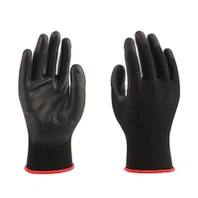
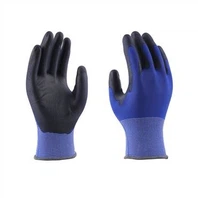
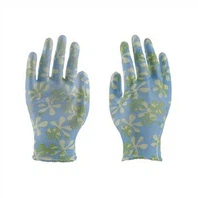
Nitrile coated work gloves have become a staple in various industries due to their exceptional durability, chemical resistance, and grip. As a supplier of high-quality nitrile coated work gloves, I often get asked about how these gloves hold up over time. In this blog post, I'll delve into the factors that affect the longevity of nitrile coated work gloves, share insights on their performance under different conditions, and provide tips on how to maximize their lifespan.
Understanding the Construction of Nitrile Coated Work Gloves
Before we discuss how nitrile coated work gloves hold up over time, it's important to understand their construction. These gloves typically consist of a base material, such as polyester or nylon, which provides the glove with its structure and flexibility. The nitrile coating is then applied to the palm and fingers of the glove, offering enhanced grip and protection against chemicals, abrasions, and punctures.
The quality of the base material and the nitrile coating plays a crucial role in determining the durability of the gloves. High-quality gloves are made from strong, abrasion-resistant base materials and feature a thick, uniform nitrile coating that adheres well to the base material. This ensures that the gloves can withstand the rigors of daily use and provide long-lasting protection.
Factors Affecting the Longevity of Nitrile Coated Work Gloves
Several factors can affect how nitrile coated work gloves hold up over time. Understanding these factors can help you choose the right gloves for your specific needs and take steps to extend their lifespan.
1. Type of Work
The type of work you do is one of the most significant factors that can impact the durability of your nitrile coated work gloves. Gloves used in heavy-duty applications, such as construction, mining, or manufacturing, are likely to experience more wear and tear than those used in lighter-duty tasks, such as electronics assembly or food processing.
For example, if you work in an environment where you frequently handle sharp objects or rough surfaces, your gloves are more likely to develop cuts, punctures, or abrasions. On the other hand, if you work in a clean, dry environment where you primarily handle smooth objects, your gloves may last longer.
2. Frequency of Use
The frequency of use also plays a role in how long your nitrile coated work gloves will last. Gloves that are used daily for extended periods are likely to wear out more quickly than those that are used less frequently.
If you use your gloves on a regular basis, it's important to inspect them regularly for signs of wear and tear and replace them as needed. This will help ensure that your gloves continue to provide adequate protection and prevent any potential safety hazards.
3. Chemical Exposure
Nitrile coated work gloves are known for their excellent chemical resistance, but prolonged exposure to certain chemicals can still damage the gloves over time. Harsh chemicals, such as solvents, acids, and alkalis, can break down the nitrile coating and weaken the base material, making the gloves more prone to tears and punctures.
If you work in an environment where you are exposed to chemicals, it's important to choose gloves that are specifically designed to resist the chemicals you are working with. You should also follow the manufacturer's recommendations for chemical compatibility and replacement intervals to ensure that your gloves provide adequate protection.
4. Cleaning and Maintenance
Proper cleaning and maintenance can significantly extend the lifespan of your nitrile coated work gloves. After each use, you should wash your gloves with mild soap and water and allow them to dry completely before storing them. This will help remove any dirt, debris, or chemicals that may have accumulated on the gloves and prevent them from causing damage.
Avoid using harsh detergents, solvents, or abrasive cleaners, as these can damage the nitrile coating and weaken the base material. You should also avoid exposing your gloves to high temperatures or direct sunlight, as this can cause the nitrile coating to harden and crack.
Performance of Nitrile Coated Work Gloves Over Time
Despite the various factors that can affect their durability, nitrile coated work gloves are generally known for their long-lasting performance. When properly cared for, these gloves can provide reliable protection for an extended period of time.
1. Grip and Dexterity
One of the key benefits of nitrile coated work gloves is their excellent grip and dexterity. Over time, the nitrile coating may wear down slightly, but it should still provide a good grip on objects. However, if the coating becomes too thin or damaged, the grip may be compromised, and you may need to replace the gloves.
2. Chemical Resistance
Nitrile coated work gloves are highly resistant to a wide range of chemicals, including oils, greases, solvents, and acids. Over time, the chemical resistance of the gloves may decrease slightly, especially if they are exposed to harsh chemicals on a regular basis. However, high-quality gloves should still provide adequate protection for a reasonable period of time.
3. Abrasion and Puncture Resistance
The nitrile coating on work gloves provides excellent abrasion and puncture resistance, which helps protect your hands from cuts, scrapes, and punctures. Over time, the coating may wear down or develop small holes, but the base material should still provide some level of protection. If the coating becomes too damaged, the gloves may need to be replaced to ensure your safety.
Tips for Maximizing the Lifespan of Nitrile Coated Work Gloves
To get the most out of your nitrile coated work gloves and extend their lifespan, consider the following tips:
1. Choose the Right Gloves
Select gloves that are specifically designed for the type of work you do and the hazards you are exposed to. Consider factors such as the level of abrasion, puncture, and chemical resistance required, as well as the fit and comfort of the gloves.
For example, if you work in an environment where you are exposed to sharp objects, you may want to choose gloves with a thick, puncture-resistant nitrile coating. If you work in a clean, dry environment, you may be able to get away with gloves with a thinner coating.
2. Inspect Your Gloves Regularly
Before each use, inspect your gloves for signs of wear and tear, such as cuts, punctures, abrasions, or holes. If you notice any damage, replace the gloves immediately to ensure your safety.


3. Follow Proper Cleaning and Maintenance Procedures
As mentioned earlier, proper cleaning and maintenance are essential for extending the lifespan of your nitrile coated work gloves. Wash your gloves regularly with mild soap and water, and allow them to dry completely before storing them.
4. Store Your Gloves Properly
When not in use, store your gloves in a cool, dry place away from direct sunlight and heat sources. Avoid folding or creasing the gloves, as this can damage the nitrile coating.
5. Rotate Your Gloves
If you use your gloves on a regular basis, consider rotating them to give them a chance to rest and recover. This can help prevent premature wear and tear and extend the lifespan of the gloves.
Our Nitrile Coated Work Gloves
As a supplier of nitrile coated work gloves, we offer a wide range of high-quality gloves to meet the needs of various industries. Our gloves are made from premium materials and feature a thick, uniform nitrile coating that provides excellent grip, durability, and chemical resistance.
Some of our popular products include the 13G Polyester Nitrile Coated Industrial Gloves, the Smooth Nitrile Coated Safety Work Glove, and the 13G Polyester Nitrile Smooth Safety Work Gloves Blue/Gray. These gloves are designed to provide long-lasting protection in a variety of applications, from heavy-duty industrial work to light-duty assembly tasks.
Contact Us for Procurement
If you're in the market for high-quality nitrile coated work gloves, we'd love to hear from you. Our team of experts can help you choose the right gloves for your specific needs and provide you with competitive pricing and excellent customer service.
Whether you're a small business or a large corporation, we can accommodate your procurement needs. Contact us today to discuss your requirements and get a quote. We look forward to working with you to provide you with the best nitrile coated work gloves on the market.
References
- ASTM International. (2021). Standard Test Methods for Resistance of Protective Clothing Materials to Penetration by Liquids and Gases. ASTM F739-12(2017).
- National Institute for Occupational Safety and Health (NIOSH). (2021). Chemical Resistance of Protective Gloves. NIOSH Publication No. 2005-151.
- Occupational Safety and Health Administration (OSHA). (2021). Personal Protective Equipment. 29 CFR Part 1910, Subpart I.