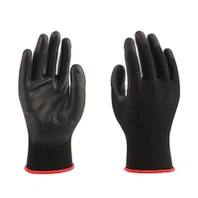
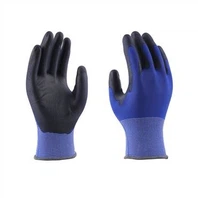
Nitrile coated gloves and silicone gloves are two popular choices in the market for various applications, each with their own unique set of properties and benefits. As a nitrile coated gloves supplier, I have a deep understanding of the features and advantages of nitrile coated gloves, and in this blog post, I will compare them with silicone gloves to help you make an informed decision when choosing the right gloves for your needs.
Material Composition
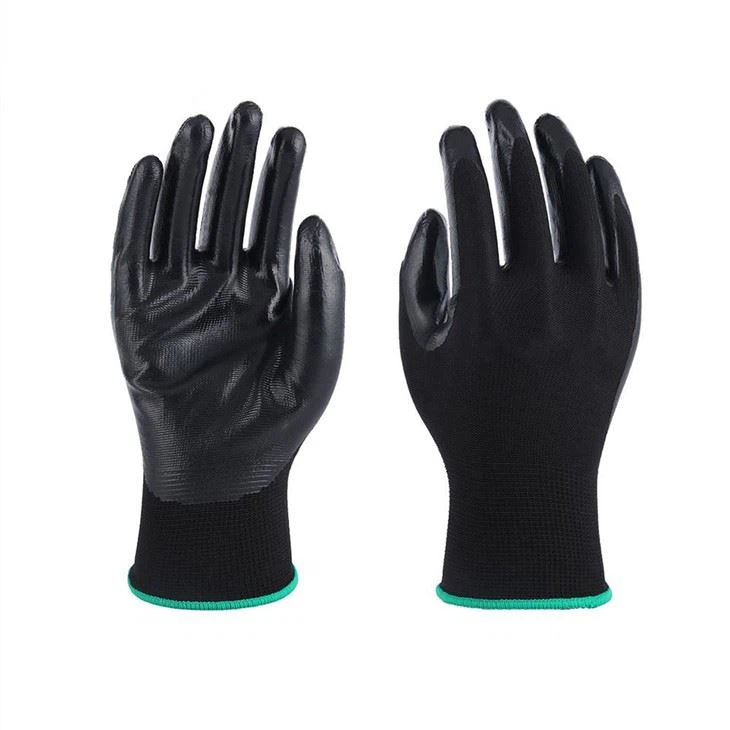
Nitrile coated gloves are typically made by coating a base fabric, such as cotton or nylon, with a layer of nitrile rubber. Nitrile is a synthetic rubber that offers excellent resistance to punctures, abrasions, and chemicals. The base fabric provides a comfortable and breathable fit, while the nitrile coating enhances the glove's durability and protective properties.
On the other hand, silicone gloves are made entirely of silicone rubber. Silicone is a synthetic polymer that is known for its high heat resistance, flexibility, and non-stick properties. Silicone gloves are often used in applications where heat resistance and dexterity are required, such as cooking and food handling.
Durability and Protection
One of the key advantages of nitrile coated gloves is their superior durability and protection. The nitrile coating provides a strong barrier against a wide range of chemicals, including oils, solvents, and acids. This makes nitrile coated gloves ideal for use in industries such as manufacturing, automotive, and chemical processing, where workers are exposed to hazardous substances on a regular basis.
Nitrile coated gloves also offer excellent resistance to punctures and abrasions, making them suitable for tasks that involve handling sharp objects or rough surfaces. The base fabric adds an additional layer of protection, reducing the risk of cuts and scratches. For example, Industrial Use Safety Smooth Nitrile Coated Glove are specifically designed for heavy-duty industrial applications, providing maximum protection and durability.
In contrast, silicone gloves are not as resistant to chemicals and sharp objects as nitrile coated gloves. While silicone gloves offer good heat resistance, they are more prone to tears and punctures, especially when exposed to sharp edges or abrasive materials. However, silicone gloves are very flexible and can provide a good grip, making them suitable for tasks that require dexterity, such as handling small objects or working in tight spaces.
Comfort and Fit
Comfort is an important factor to consider when choosing gloves, especially if you need to wear them for extended periods of time. Nitrile coated gloves are generally more comfortable to wear than silicone gloves, thanks to the base fabric that provides a soft and breathable lining. The base fabric also helps to absorb sweat, keeping your hands dry and comfortable.
Nitrile coated gloves come in a variety of sizes and styles, allowing you to find the perfect fit for your hands. Some nitrile coated gloves also feature ergonomic designs that conform to the natural shape of your hand, reducing fatigue and improving dexterity. For example, Garden Nylon Safety Work Gloves are designed to provide a snug and comfortable fit, allowing you to work in the garden for hours without discomfort.
Silicone gloves, on the other hand, can feel bulky and restrictive, especially if they are not well-fitted. The lack of breathability can also cause your hands to sweat, making them uncomfortable to wear for long periods of time. However, silicone gloves are very flexible and can provide a good grip, which can be an advantage in some applications.
Chemical Resistance
As mentioned earlier, nitrile coated gloves offer excellent resistance to a wide range of chemicals, including oils, solvents, and acids. This makes them ideal for use in industries where workers are exposed to hazardous substances on a regular basis. Nitrile is also resistant to many common household chemicals, such as cleaning agents and detergents, making nitrile coated gloves a popular choice for household cleaning tasks.
Silicone gloves, on the other hand, are not as resistant to chemicals as nitrile coated gloves. While silicone is resistant to some chemicals, such as water and certain alcohols, it can be damaged by solvents and other harsh chemicals. Therefore, silicone gloves are not recommended for use in applications where exposure to chemicals is a concern.
Heat Resistance
Silicone gloves are known for their excellent heat resistance, making them ideal for use in applications where high temperatures are involved, such as cooking and baking. Silicone gloves can withstand temperatures up to 450°F (232°C), allowing you to handle hot pots, pans, and oven racks without getting burned.
Nitrile coated gloves, on the other hand, are not as heat resistant as silicone gloves. While nitrile can withstand some heat, it can start to break down at temperatures above 176°F (80°C). Therefore, nitrile coated gloves are not recommended for use in applications where exposure to high temperatures is a concern.
Cost
In general, nitrile coated gloves are more affordable than silicone gloves. This is because nitrile is a less expensive material than silicone, and the manufacturing process for nitrile coated gloves is also less complex. Nitrile coated gloves are available in a wide range of prices, depending on the quality and thickness of the nitrile coating, as well as the type of base fabric used.
Silicone gloves, on the other hand, are more expensive than nitrile coated gloves. This is because silicone is a more expensive material than nitrile, and the manufacturing process for silicone gloves is also more complex. Silicone gloves are typically sold at a higher price point, especially if they are designed for specialized applications, such as cooking or food handling.
Conclusion
In conclusion, both nitrile coated gloves and silicone gloves have their own unique set of properties and benefits. Nitrile coated gloves are more durable, offer better chemical resistance, and are more comfortable to wear than silicone gloves. They are also more affordable, making them a popular choice for a wide range of applications.
Silicone gloves, on the other hand, are more flexible and offer better heat resistance than nitrile coated gloves. They are also non-stick, making them ideal for use in cooking and food handling applications. However, silicone gloves are more expensive and not as resistant to chemicals and sharp objects as nitrile coated gloves.
If you are looking for gloves that offer excellent durability, chemical resistance, and comfort, then nitrile coated gloves are the way to go. Nitrile Coated Cotton Gloves are a great option for general-purpose applications, while Industrial Use Safety Smooth Nitrile Coated Glove are specifically designed for heavy-duty industrial applications.

If you are looking for gloves that offer excellent heat resistance and flexibility, then silicone gloves are the better choice. However, keep in mind that silicone gloves are more expensive and not as resistant to chemicals and sharp objects as nitrile coated gloves.
If you have any questions or need further information about nitrile coated gloves, please feel free to contact us. We would be happy to help you choose the right gloves for your needs and provide you with a competitive quote.
References
- "Nitrile Gloves: A Comprehensive Guide." Safety Gloves Guide, [Date of access].
- "Silicone Gloves: Benefits and Uses." Kitchen Accessories Blog, [Date of access].
- "Comparing Nitrile and Silicone Gloves." Industrial Safety Journal, [Date of publication].