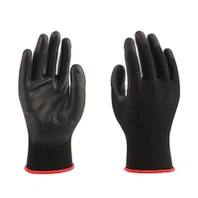
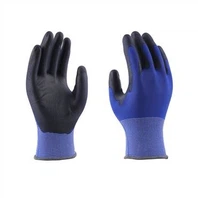
Humidity is a common environmental factor that can significantly impact the performance of various products, including latex coated gloves. As a supplier of high - quality latex coated gloves, I've witnessed firsthand how different glove types respond to humid conditions. In this blog, we'll explore the performance of latex coated gloves in humidity, delving into their material properties, advantages, and potential challenges.
Material Properties of Latex Coated Gloves
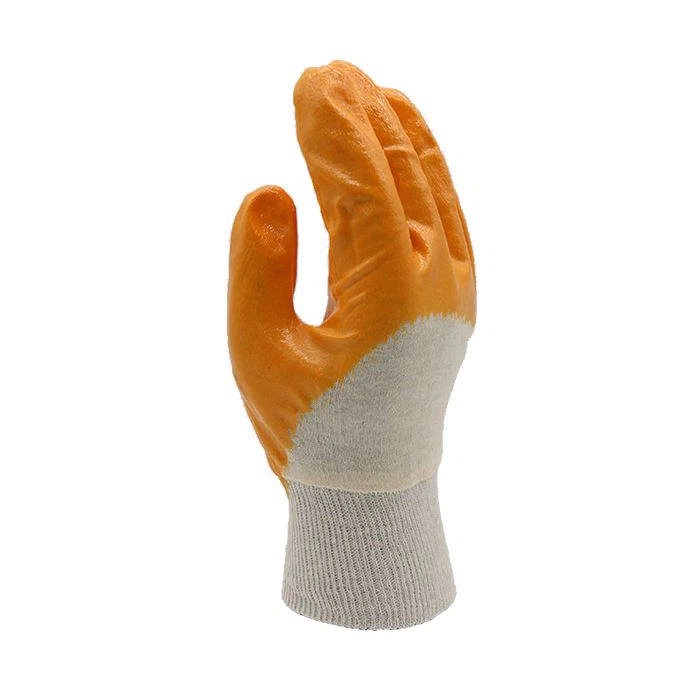
Latex coated gloves typically consist of a base layer, often made of cotton or synthetic fibers, and a latex coating. Latex is a natural rubber with excellent elasticity, flexibility, and tactile sensitivity. The base layer provides comfort, breathability, and some level of abrasion resistance.
In humid conditions, the latex coating can interact with moisture in several ways. First, latex is a porous material to some extent. Water vapor in the air can penetrate the latex coating and reach the base layer. The base layer, especially if it's made of cotton, can absorb moisture. This absorption can lead to changes in the glove's physical properties.
Advantages of Latex Coated Gloves in Humid Conditions
Good Grip
One of the significant advantages of latex coated gloves in humid conditions is their ability to maintain a good grip. The latex coating has a tacky surface that can adhere to wet or slippery objects. Even when the gloves are exposed to moisture, the natural stickiness of the latex helps users hold onto tools or materials securely. For example, in industries such as fishing or food processing, where hands are frequently exposed to water, latex coated gloves provide reliable grip on wet fish or slippery food items.
Comfort
The base layer of latex coated gloves, usually cotton, is known for its comfort. In humid environments, the cotton base can absorb perspiration from the hands, keeping them relatively dry and comfortable. Unlike some synthetic materials that may cause hands to feel clammy in humidity, cotton allows for better air circulation and moisture management. This comfort factor is crucial for workers who need to wear gloves for extended periods.
Tactile Sensitivity
Latex coated gloves offer high tactile sensitivity, which remains relatively unaffected by humidity. Workers can still perform delicate tasks such as handling small parts or operating precision instruments. The thinness of the latex coating allows for a close - to - bare - hand feel, enabling users to sense the shape, texture, and size of objects accurately. This is particularly important in industries like electronics manufacturing, where workers need to assemble small components in potentially humid work areas.
Potential Challenges of Latex Coated Gloves in Humid Conditions
Deterioration of the Latex Coating
Prolonged exposure to high humidity can cause the latex coating to deteriorate over time. Moisture can break down the latex polymers, leading to cracking, peeling, or a loss of elasticity. This deterioration not only affects the glove's appearance but also its performance. For example, if the latex coating starts to crack, it may expose the base layer, reducing the glove's protection against chemicals or sharp objects.
Allergic Reactions
Some individuals may be allergic to latex. In humid conditions, the risk of allergic reactions may increase. The moisture can cause the latex proteins to leach out more easily, coming into contact with the skin and potentially triggering an allergic response. Symptoms can range from mild skin irritation to more severe allergic reactions such as hives, itching, or even anaphylaxis in extreme cases.

Reduced Abrasion Resistance
When the latex coating absorbs moisture, its abrasion resistance may be reduced. The wet latex is softer and more prone to wear and tear compared to dry latex. This can be a problem in industries where gloves are subjected to high levels of friction and abrasion, such as construction or mining. Workers may find that the gloves wear out more quickly in humid conditions, requiring more frequent replacements.
Comparing with Other Types of Gloves
Nitrile Coated Anti Abrasion Chemical Protective Work Gloves
Click here to view Nitrile Coated Anti Abrasion Chemical Protective Work Gloves
Nitrile coated gloves are an alternative to latex coated gloves. In humid conditions, nitrile has better resistance to deterioration compared to latex. Nitrile is a synthetic rubber that is less porous and more resistant to chemicals and moisture. It doesn't break down as easily in high humidity, making it a better choice for long - term use in wet environments. However, nitrile coated gloves may not offer the same level of tactile sensitivity as latex coated gloves.
10G Cotton Latex Coated Gloves
Click here to view 10G Cotton Latex Coated Gloves
These gloves are specifically designed with a 10 - gauge cotton base and a latex coating. The 10G cotton provides a good balance between durability and comfort. In humid conditions, the cotton base can absorb moisture effectively, while the latex coating offers grip and protection. However, as mentioned earlier, they are still subject to the potential challenges of latex in humidity, such as coating deterioration.
White PU Gloves
Click here to view White PU Gloves
PU (polyurethane) coated gloves are another option. PU has good resistance to water and abrasion. In humid conditions, PU coated gloves can maintain their shape and performance better than latex coated gloves. They are also less likely to cause allergic reactions. However, they may lack the natural grip and tactile sensitivity of latex coated gloves.
Tips for Using Latex Coated Gloves in Humid Conditions
- Proper Storage: Store latex coated gloves in a dry place when not in use. Avoid leaving them in areas with high humidity, such as near open water sources or in damp storage cabinets.
- Regular Inspection: Inspect the gloves regularly for signs of deterioration, such as cracking or peeling of the latex coating. Replace gloves as soon as any damage is detected to ensure continued protection.
- Use of Moisture - Wicking Inserts: Consider using moisture - wicking inserts inside the gloves to enhance moisture management. These inserts can absorb additional perspiration and reduce the amount of moisture that reaches the latex coating.
Conclusion
Latex coated gloves have both advantages and challenges when used in humid conditions. Their good grip, comfort, and tactile sensitivity make them suitable for many applications. However, the potential for coating deterioration, allergic reactions, and reduced abrasion resistance should be taken into account. By understanding these factors and following proper usage and maintenance tips, users can maximize the performance of latex coated gloves in humid environments.
If you're interested in learning more about our latex coated gloves or exploring other glove options, we're here to help. Whether you're in the manufacturing, food processing, or any other industry, we can provide you with the right gloves for your specific needs. Contact us for a free consultation and let's discuss your glove requirements and how we can meet them.
References
- ASTM International. "Standard Test Methods for Rubber Property - Vulcanizates and Thermoplastic Elastomers in an Environment Containing Humidity." ASTM D573 - 19.
- Occupational Safety and Health Administration (OSHA). "Personal Protective Equipment Standards." 29 CFR Part 1910 Subpart I.
- National Institute for Occupational Safety and Health (NIOSH). "Preventing Allergic Reactions to Natural Rubber Latex in the Workplace."