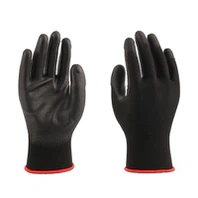
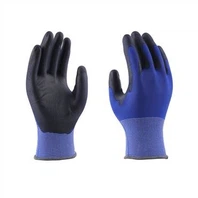
Measuring your hand accurately is crucial when it comes to selecting the right nitrile coated gloves. As a supplier of high - quality nitrile coated gloves, I understand the importance of a proper fit. A well - fitting glove not only enhances comfort but also improves performance and safety in various work environments. In this blog, I'll guide you through the process of measuring your hand for nitrile coated gloves, and also introduce some of our great products along the way.
Why is the Right Fit Important?
Before we delve into the measurement process, let's understand why getting the right fit is so essential. Ill - fitting gloves can lead to a range of issues. If the gloves are too tight, they can restrict blood circulation, causing discomfort, numbness, and even long - term health problems. On the other hand, if the gloves are too loose, they can easily slip off, reducing dexterity and increasing the risk of accidents. Moreover, a proper fit ensures that the nitrile coating adheres well to the hand, providing maximum protection against chemicals, abrasions, and other hazards.
Tools Needed for Measurement
To measure your hand accurately, you'll need a flexible measuring tape. This type of tape is commonly used for sewing and can be easily wrapped around your hand. You can find one at a local craft store or a hardware store. Make sure the tape is in good condition and the markings are clear.
Step - by - Step Hand Measurement
- Measure the Circumference of Your Hand:
- First, remove any jewelry from your hand. Place the measuring tape around the widest part of your hand, which is usually just below your knuckles, excluding your thumb.
- Keep the tape snug but not too tight. You should be able to fit a finger between the tape and your hand.
- Read the measurement in inches or centimeters. Make sure to record the measurement accurately.
- Determine Your Glove Size:
- Most nitrile coated glove manufacturers use a sizing chart based on hand circumference. Generally, a hand circumference of 6 - 6.5 inches corresponds to a small size, 7 - 7.5 inches to a medium size, 8 - 8.5 inches to a large size, and 9 - 9.5 inches to an extra - large size. However, these sizes can vary slightly between different brands.
- It's important to refer to the specific sizing chart provided by the glove manufacturer. At our company, we offer a detailed sizing chart on our website to help you make the right choice.
- Consider the Length of Your Fingers:
- In addition to hand circumference, the length of your fingers can also affect the fit of the gloves. If you have unusually long or short fingers, you may need to adjust your size selection accordingly.
- To measure finger length, place the measuring tape from the tip of your middle finger to the base of your palm. Compare this measurement with the glove's finger length specifications.
Special Considerations
- Dexterity Requirements:
- If your work requires a high level of dexterity, such as handling small parts or performing delicate tasks, you may want to choose a slightly snugger glove. A tighter fit allows for better control and precision.
- However, if you need to wear the gloves for long periods, make sure they are still comfortable. You may need to balance between dexterity and comfort.
- Glove Usage:
- Different types of nitrile coated gloves are designed for different applications. For example, Microfoam Nitrile Gloves are known for their excellent grip and comfort, making them suitable for tasks that require frequent handling of objects. On the other hand, Industrial Nitrile Gloves are more heavy - duty and provide greater protection against chemicals and abrasions. Consider the specific requirements of your work when choosing the type of glove.
Trying on the Gloves
Once you've selected a glove size based on your measurements, it's a good idea to try on the gloves if possible. Put on the gloves and move your fingers and hands around. Check for any areas of tightness or looseness. Make sure you can perform all the necessary tasks without any restrictions. If the gloves feel too tight or too loose, you may need to adjust your size selection.

Conclusion
Measuring your hand for nitrile coated gloves is a simple yet important process. By following these steps and considering the special factors, you can ensure that you choose the right - fitting gloves for your needs. At our company, we are committed to providing high - quality nitrile coated gloves in a variety of sizes and types. Whether you need gloves for light - duty tasks or heavy - industrial applications, we have the perfect solution for you.
If you're interested in purchasing our nitrile coated gloves, we encourage you to contact us for a detailed discussion. Our team of experts is ready to assist you in finding the right gloves for your specific requirements. We can provide samples, answer your questions, and offer competitive pricing. Don't hesitate to reach out and start a conversation about your glove needs.
References
- General knowledge about hand measurement and glove sizing in the safety equipment industry.
- Manufacturer's guidelines and product specifications for nitrile coated gloves.