How do I choose PU Palm Coated Gloves for industrial use?
When it comes to industrial work, choosing the right pair of gloves is crucial for both safety and efficiency. PU palm coated gloves have become increasingly popular in various industries due to their excellent grip, durability, and comfort. As a supplier of high - quality PU palm coated gloves, I'd like to share some insights on how to choose the most suitable gloves for industrial applications.
1. Consider the Work Environment
The first step in choosing PU palm coated gloves is to assess the work environment. Different industries have different hazards, and the gloves need to be able to withstand these specific conditions.
- Chemical Exposure: In industries such as chemical manufacturing or laboratory work, gloves need to provide protection against a wide range of chemicals. Look for PU palm coated gloves that are resistant to the specific chemicals present in the workplace. Some gloves are treated to be resistant to acids, alkalis, or solvents. For example, if your work involves handling strong acids, you need gloves with a high level of acid resistance.
- Abrasion and Cut Risks: In construction, metalworking, or woodworking, gloves are likely to encounter sharp edges, rough surfaces, and abrasive materials. Gloves with a thick and durable PU coating can offer good abrasion resistance. Additionally, some gloves are designed with cut - resistant liners inside the PU coating, providing an extra layer of protection. For instance, workers handling metal sheets need gloves that can prevent cuts from sharp edges while maintaining a good grip.
- Wet or Oily Conditions: In industries like food processing, automotive repair, or fishing, the work surfaces are often wet or oily. PU palm coated gloves are known for their excellent grip in such conditions. The PU coating provides a non - slip surface, allowing workers to hold tools and objects securely even when they are wet or greasy. For example, in a fish processing plant, workers need gloves that can grip slippery fish without dropping them.
2. Evaluate the Glove Material
The quality of the materials used in the gloves greatly affects their performance and durability.
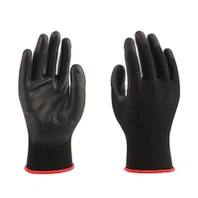
- PU Coating Quality: The polyurethane (PU) coating on the palm should be of high quality. A good PU coating is evenly applied, free of defects, and has a smooth finish. High - quality PU coatings are more resistant to wear and tear, and they maintain their grip properties over time. For example, our Black Coating PU Top Work Gloves feature a premium PU coating that provides excellent durability and grip.
- Liner Material: The liner inside the glove is also important. Common liner materials include cotton, polyester, and nylon. Cotton liners are comfortable and breathable, making them suitable for long - term use. Polyester and nylon liners are more durable and have better moisture - wicking properties. Some gloves also use a blend of materials to combine the advantages of different fibers. For example, a glove with a cotton - polyester blend liner can offer both comfort and durability.
3. Fit and Comfort
A proper fit is essential for gloves to function effectively. Ill - fitting gloves can cause discomfort, reduce dexterity, and even increase the risk of accidents.
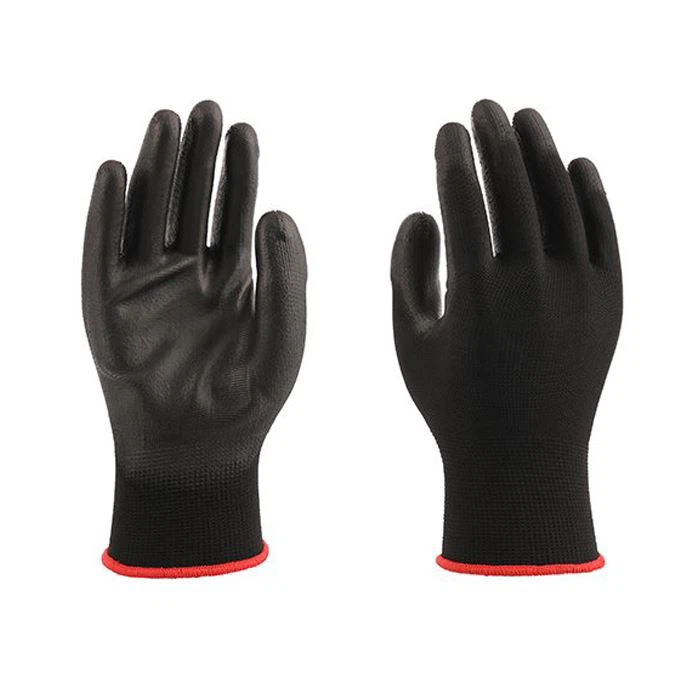

- Size Selection: Gloves come in different sizes, and it's important to choose the right size for your hand. Measure the circumference of your hand around the knuckles (excluding the thumb) to determine the appropriate size. Most glove manufacturers provide size charts to help you make the right choice. A glove that is too tight can restrict blood circulation and cause discomfort, while a glove that is too loose can slip off easily and reduce grip.
- Flexibility and Dexterity: Gloves should allow for a full range of motion and good dexterity. Workers need to be able to perform delicate tasks such as handling small parts or operating controls while wearing the gloves. Gloves with a flexible PU coating and a well - designed liner can provide the necessary flexibility. For example, in electronics manufacturing, workers need gloves that allow them to handle tiny electronic components with precision.
- Breathability: Long - term use of gloves can cause hands to sweat, which can lead to discomfort and skin problems. Gloves with good breathability can help keep hands dry and comfortable. Some gloves have perforations in the liner or a breathable fabric construction to allow air circulation. For instance, in a hot and humid work environment, breathable gloves are essential to prevent sweating and skin irritation.
4. Check for Safety Standards
It's important to ensure that the gloves meet relevant safety standards.
- Industry - Specific Standards: Different industries may have specific safety standards for gloves. For example, in the European Union, gloves used in certain industries need to comply with the EN standards. In the United States, the Occupational Safety and Health Administration (OSHA) has regulations regarding hand protection. Make sure the gloves you choose meet the applicable standards for your industry.
- Certifications: Look for gloves that have been tested and certified by recognized testing organizations. Certifications such as CE (Conformité Européene) indicate that the gloves meet certain safety and quality requirements. For example, if you are purchasing gloves for a European market, CE - certified gloves are a must.
5. Cost - Effectiveness
While quality and safety are the top priorities, cost - effectiveness is also an important consideration.
- Initial Cost vs. Long - Term Value: Cheaper gloves may seem like a good option at first, but they may not last as long or provide the same level of protection as more expensive gloves. Consider the long - term value of the gloves. A high - quality pair of gloves may cost more initially but can save money in the long run by reducing the frequency of glove replacements and preventing work - related injuries.
- Bulk Purchase Discounts: If you need to purchase a large quantity of gloves, many suppliers offer bulk purchase discounts. As a supplier, we are always willing to negotiate competitive prices for bulk orders. This can help you reduce the overall cost of glove procurement.
6. Seek User Feedback
Before making a final decision, it's a good idea to seek feedback from other users.
- Online Reviews: Check online reviews from other workers or companies that have used the gloves. Reviews can provide valuable insights into the performance, comfort, and durability of the gloves. You can also find out about any potential issues or limitations of the gloves.
- Trials and Samples: Many suppliers, including us, offer free samples or trial periods for their gloves. This allows you to test the gloves in your actual work environment and see if they meet your requirements. You can gather feedback from your workers and make a more informed decision based on their experiences.
In conclusion, choosing the right PU palm coated gloves for industrial use requires careful consideration of the work environment, glove material, fit, safety standards, cost - effectiveness, and user feedback. As a supplier of PU Coating Gloves For Safety Work and PU Coated Gloves - Black, we are committed to providing high - quality gloves that meet the diverse needs of industrial workers. If you are interested in our products or have any questions about choosing the right gloves for your industry, please feel free to contact us for further discussion and procurement negotiation.
References
- ANSI/ISEA 105 - 2016, American National Standard for Hand Protection Selection Guidelines.
- EN 388:2016, Protective gloves against mechanical risks.
- OSHA Hand and Arm Protection Standards.