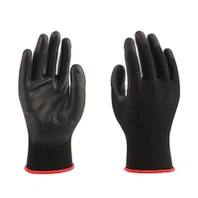
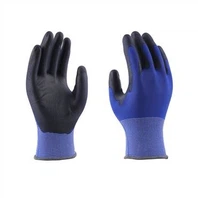
As a provider of high - quality Foam Nitrile Coated Gloves, I've encountered a wide range of inquiries from customers. One of the most common questions is about how these gloves fit different hand shapes. In this blog, I'll delve into the intricacies of glove - hand fit, exploring various hand shapes and how our Foam Nitrile Coated Gloves adapt to them.
Understanding Different Hand Shapes
Before we discuss how our gloves fit, it's essential to understand the diversity of hand shapes. Human hands come in various forms, mainly categorized based on length, width, and the proportion of fingers to the palm.
Long and Narrow Hands
Individuals with long and narrow hands typically have fingers that are significantly longer in proportion to the width of their palm. These hands are often found in people involved in precision work, such as musicians or surgeons. When it comes to glove - fitting, long and narrow hands can pose a challenge. Ill - fitting gloves may bunch up around the palm or be too tight around the fingers, restricting movement.
Our 13 Gauge Foam Nitrile Coated Gloves are an excellent choice for long and narrow hands. The 13 - gauge construction offers a snug yet flexible fit. The thin material conforms to the shape of the fingers, allowing for dexterous movement. The foam nitrile coating provides grip and protection without adding excessive bulk, ensuring that the gloves do not impede the natural movement of long fingers.


Short and Wide Hands
Short and wide hands have a broader palm relative to finger length. People with this hand shape might find that many standard gloves are too long in the fingers and too tight around the palm. This can lead to discomfort and reduced grip strength.
Our Microfoam Nitrile Coated Gloves are designed to address the needs of short and wide hands. The microfoam coating is more flexible and can stretch to accommodate the wider palm. The gloves are also available in a range of sizes, allowing for a more customized fit. The elasticized wristband ensures that the glove stays in place without cutting off circulation, providing comfort during extended use.
Average - Proportioned Hands
The majority of people have average - proportioned hands, where the length of the fingers and the width of the palm are in a balanced ratio. While these hands may seem easier to fit, it's still crucial to choose the right glove to ensure maximum comfort and performance.
Our Gray Nylon With Spandex Micro Foam Nitrile Coated Gloves are ideal for average - proportioned hands. The combination of nylon and spandex in the base material provides a stretchy and form - fitting experience. The microfoam nitrile coating adds durability and grip, making these gloves suitable for a variety of tasks. The gloves conform to the natural contours of the hand, providing a comfortable fit that lasts throughout the workday.
The Importance of a Good Fit
A well - fitting glove is not just about comfort; it also has a significant impact on performance and safety.
Performance
When gloves fit properly, they allow for better dexterity. Workers can perform tasks with greater precision, whether it's handling small parts in a manufacturing setting or operating delicate equipment. A good fit also reduces hand fatigue, as the muscles in the hand do not have to work as hard to compensate for an ill - fitting glove.
Safety
In industries where hand protection is crucial, such as construction or chemical handling, a proper fit can mean the difference between safety and injury. Ill - fitting gloves may slide off or bunch up, exposing the hand to potential hazards. A well - fitting glove, on the other hand, stays in place and provides continuous protection.
Measuring Your Hands for the Perfect Fit
To ensure that you get the best - fitting Foam Nitrile Coated Gloves, it's important to measure your hands accurately.
Measuring the Palm
Use a flexible measuring tape to measure the circumference of your hand around the widest part of the palm, just below the knuckles. Make sure the tape is snug but not too tight.
Measuring the Finger Length
Measure from the tip of your middle finger to the base of the finger where it meets the palm. This measurement can help you determine if a glove will be the right length for your fingers.
Once you have these measurements, refer to our size chart to find the most appropriate glove size. Keep in mind that different glove styles may have slightly different sizing, so it's always a good idea to double - check the specific size guide for the product you're interested in.
Customization Options
We understand that some customers may have unique hand shapes or specific requirements. That's why we offer customization options for our Foam Nitrile Coated Gloves. Whether you need a special size, a different coating thickness, or a specific color, our team can work with you to create a customized solution.
Customized gloves can provide an even better fit and performance for your specific needs. For example, if you have a job that requires extra grip in certain areas, we can apply a thicker coating to those parts of the glove. Or, if you need gloves for a specific environment, we can choose a material that offers the best protection.
Conclusion
In conclusion, our Foam Nitrile Coated Gloves are designed to fit a variety of hand shapes, from long and narrow to short and wide. By understanding the different hand shapes and the importance of a good fit, you can choose the right gloves for your needs. Whether you're looking for gloves for industrial work, household chores, or any other application, we have the solution.
If you're interested in purchasing our Foam Nitrile Coated Gloves, we invite you to reach out to us for a procurement discussion. Our team of experts is ready to assist you in finding the perfect gloves for your specific requirements.
References
- American Society for Testing and Materials (ASTM). Standards for hand protection products.
- Occupational Safety and Health Administration (OSHA). Guidelines for hand protection in the workplace.