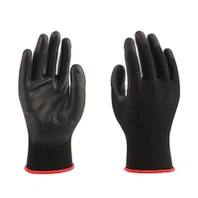
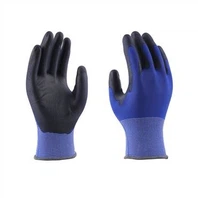
When it comes to protective gloves, rubber gloves have long been a staple in many industries. However, in recent years, foam nitrile coated gloves have emerged as a strong competitor. As a supplier of foam nitrile coated gloves, I've witnessed firsthand the growing interest in these gloves and the questions about how they stack up against traditional rubber gloves. In this blog post, I'll delve into a detailed comparison of foam nitrile coated gloves and rubber gloves, covering aspects such as material properties, performance, comfort, and cost.
Material Properties
Rubber gloves have been a reliable choice for a long time, made primarily from natural rubber latex or synthetic rubber compounds like neoprene. Natural rubber latex offers excellent elasticity and flexibility, allowing for a snug fit and a high degree of dexterity. It also has good resistance to a wide range of chemicals, including some acids and bases. However, one of the major drawbacks of natural rubber latex is the potential for latex allergies. An estimated 1 - 6% of the general population is allergic to latex, and in high - risk industries like healthcare, the prevalence can be even higher.
On the other hand, foam nitrile coated gloves are made by coating a nylon or polyester liner with a foam nitrile layer. Nitrile is a synthetic rubber copolymer that offers several advantages. It is inherently resistant to punctures, cuts, and abrasions. The foam nitrile coating is porous, which gives the gloves a soft and cushioned feel. Unlike natural rubber latex, nitrile is hypoallergenic, making it a safer option for those with latex sensitivities. Additionally, nitrile gloves have better resistance to oils, greases, and many harsh chemicals compared to natural rubber latex gloves.
Performance in Different Environments
Chemical Resistance
In industrial settings where workers are exposed to various chemicals, the chemical resistance of gloves is of utmost importance. Rubber gloves, especially those made from natural rubber latex, have limited chemical resistance. They can be degraded by solvents, oils, and some strong chemicals. For example, contact with petroleum - based solvents can cause natural rubber latex gloves to swell and lose their integrity, reducing their protective capabilities.
Foam nitrile coated gloves, however, offer superior chemical resistance. Nitrile is highly resistant to a wide range of chemicals, including acids, alkalis, solvents, and oils. This makes them an ideal choice for industries such as automotive, chemical manufacturing, and oil and gas. For instance, in automotive repair shops, where workers deal with motor oil, grease, and solvents on a daily basis, foam nitrile coated gloves can provide long - lasting protection without breaking down easily.
Dexterity
Dexterity is crucial for tasks that require fine motor skills, such as electronics assembly or laboratory work. Rubber gloves, thanks to their high elasticity, can offer good dexterity when properly sized. However, thick rubber gloves may restrict hand movement and reduce tactile sensitivity.
Foam nitrile coated gloves are designed to provide a balance between protection and dexterity. The porous foam nitrile layer allows the hand to move more freely than a solid rubber coating. The liner material, such as nylon or polyester, also contributes to the overall flexibility of the glove. Workers can perform delicate tasks with ease while still being protected from potential hazards. For example, in the electronics industry, workers handling small components can use Gray Nylon With Spandex Micro Foam Nitrile Coated Gloves, which offer excellent dexterity and protection against static electricity and light chemicals.
Grip
A good grip is essential for safety and efficiency, especially in wet or oily conditions. Rubber gloves typically have a smooth surface, which can become slippery when wet or contaminated with oil. Some rubber gloves are textured to improve grip, but the effectiveness can vary.
Foam nitrile coated gloves have a distinct advantage in terms of grip. The porous foam nitrile surface provides excellent traction, even in wet or oily environments. The foam structure allows the glove to conform to the shape of objects, enhancing the grip. For example, in the food processing industry, where workers handle wet and slippery food items, Water Flushed Microfoam Nitrile Coated Gloves offer a reliable grip, reducing the risk of accidents and improving productivity.
Comfort
Comfort is a significant factor when it comes to glove selection, as uncomfortable gloves can lead to reduced productivity and worker fatigue. Rubber gloves can be hot and sweaty to wear, especially during extended use. The lack of breathability can cause the hands to become damp, which not only feels uncomfortable but can also lead to skin irritation.
Foam nitrile coated gloves are designed with comfort in mind. The porous foam nitrile layer allows air to circulate, keeping the hands cool and dry. The liner material is often soft and flexible, reducing friction against the skin. Additionally, the lightweight nature of foam nitrile coated gloves means that workers can wear them for longer periods without experiencing excessive fatigue. For example, 13 Gauge Foam Nitrile Coated Gloves are known for their comfort and are suitable for a variety of tasks that require long - term glove use.
Cost
Cost is always an important consideration for businesses. Rubber gloves, especially those made from natural rubber latex, are generally less expensive than foam nitrile coated gloves. However, when you consider the total cost of ownership, foam nitrile coated gloves may offer better value in the long run.
The durability of foam nitrile coated gloves means that they need to be replaced less frequently than rubber gloves. They are more resistant to punctures, cuts, and chemical degradation, which extends their lifespan. Additionally, the reduced risk of latex allergies and the improved performance in various environments can lead to increased productivity and fewer workplace accidents, offsetting the higher upfront cost.
Conclusion
In conclusion, foam nitrile coated gloves and rubber gloves each have their own strengths and weaknesses. Rubber gloves have a long - standing reputation and are cost - effective in some applications. However, foam nitrile coated gloves offer superior chemical resistance, better grip, enhanced comfort, and are a safer option for those with latex allergies.
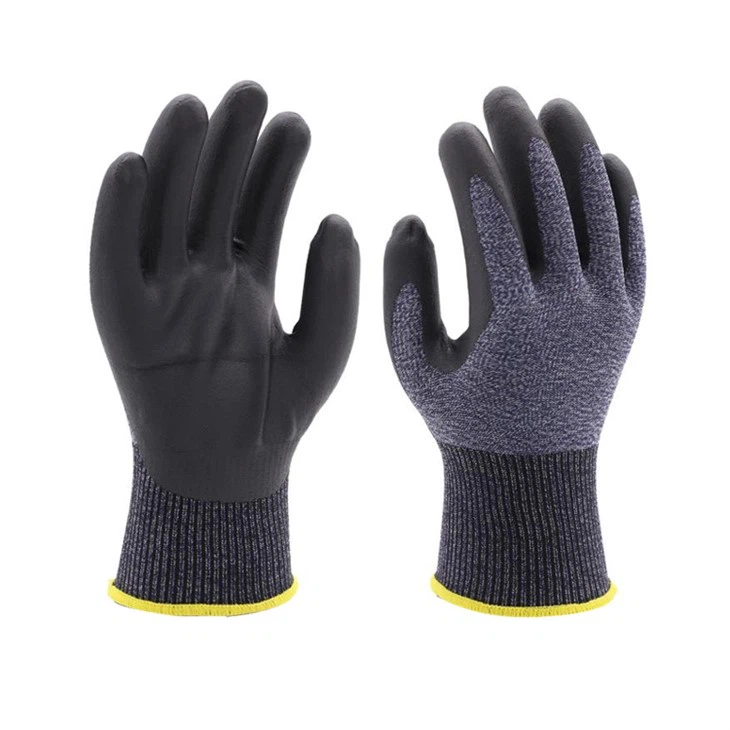

If you're in an industry where chemical exposure, dexterity, and grip are important, or if you have workers with latex sensitivities, foam nitrile coated gloves are a clear choice. As a supplier of foam nitrile coated gloves, I'm committed to providing high - quality products that meet the diverse needs of our customers.
If you're interested in learning more about our foam nitrile coated gloves or would like to discuss your specific requirements for a purchase, please don't hesitate to reach out. We're here to help you find the best glove solution for your business.
References
- "Hand Protection Guide", Occupational Safety and Health Administration (OSHA)
- "The Science of Glove Materials", International Safety Equipment Association (ISEA)
- "Comparative Study of Rubber and Nitrile Gloves in Industrial Applications", Journal of Industrial Hygiene