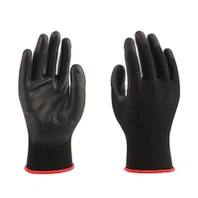
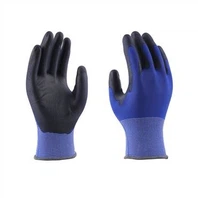
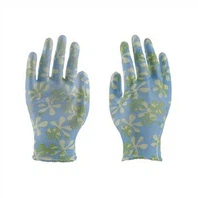
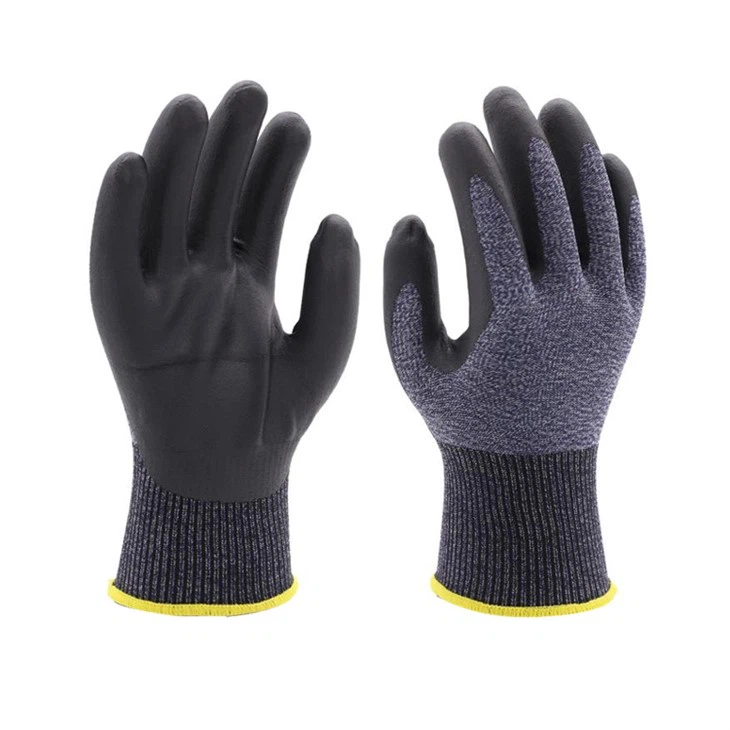
Hey there! As a supplier of Foam Nitrile Coated Gloves, I often get asked about how these gloves stack up against neoprene coated gloves. So, I thought I'd take a deep dive and share my insights on this topic.
Material Composition and Structure
Let's start with the basics - the materials. Foam nitrile is a type of synthetic rubber. It's made by creating a foamed layer of nitrile on a base glove, usually a nylon or polyester liner. This foam structure gives the glove a porous surface, which has some really cool benefits. On the other hand, neoprene is also a synthetic rubber, but it has a more solid, non - porous structure.
The porous nature of foam nitrile gloves makes them breathable. You know how it feels when you wear gloves and your hands start to get all sweaty? Well, with foam nitrile, that's less of an issue. The tiny pores in the foam allow air to circulate, keeping your hands cool and dry. Neoprene, being non - porous, doesn't have this advantage. Your hands can get pretty steamy inside neoprene coated gloves, especially if you're working for long periods.
Chemical Resistance
When it comes to chemical resistance, both types of gloves have their strengths. Foam nitrile gloves are great at resisting a wide range of chemicals, including oils, greases, and many solvents. The foam structure actually helps in this regard. It can absorb some of the chemicals, reducing the amount that comes into contact with your skin. However, it's important to note that the level of chemical resistance can vary depending on the specific formulation of the foam nitrile.
Neoprene coated gloves also offer good chemical resistance. They are particularly effective against certain types of chemicals like acids and bases. But again, it depends on the exact chemical you're dealing with. For example, if you're working with a lot of organic solvents, foam nitrile might be a better choice. You can check out our 13 Gauge Foam Nitrile Coated Gloves for excellent chemical resistance in various work environments.
Grip and Dexterity
Grip is crucial when you're using gloves. Foam nitrile gloves have an edge here. The foam surface provides a great grip, even when your hands are wet or oily. The porous structure allows liquids to seep into the foam, rather than just sitting on the surface. This means you can maintain a good hold on tools and objects. Whether you're working in a kitchen, a mechanic's shop, or a factory, the grip of foam nitrile gloves can really make a difference.
Neoprene coated gloves also have a decent grip, but it's not as good as foam nitrile in wet or oily conditions. The solid surface of neoprene doesn't absorb liquids as well, so there's more of a chance of slipping. In terms of dexterity, foam nitrile gloves are usually more flexible. The thin foam layer allows you to move your fingers more freely, making it easier to perform tasks that require precision. Our Micro - foam Nitrile Gloves are a great example of gloves that offer both excellent grip and high dexterity.
Durability
Durability is another important factor. Foam nitrile gloves are quite durable. The foam layer can withstand a fair amount of wear and tear. It's resistant to abrasion, which means it won't easily tear or puncture. However, if you're doing really heavy - duty work, like working with sharp objects or rough surfaces all the time, the foam layer might start to wear down over time.
Neoprene coated gloves are also durable. They are known for their toughness and can handle more rough treatment in some cases. But they can be more prone to damage from certain chemicals or extreme temperatures. If you're in an environment where you need gloves that can take a beating, both types have their merits, but you'll need to consider the specific hazards you're facing.
Comfort
Comfort is key when you're wearing gloves for long periods. As I mentioned earlier, the breathability of foam nitrile gloves makes them very comfortable. The cool and dry environment inside the gloves reduces the risk of skin irritation and blisters. The fit of foam nitrile gloves is also usually quite good. They can conform to the shape of your hand, providing a snug but not too tight fit.
Neoprene coated gloves can be comfortable, but the lack of breathability can be a drawback. If you're someone with sensitive skin, the sweating and moisture build - up inside neoprene gloves can lead to skin problems. However, some people do find the thicker and more cushioned feel of neoprene gloves to be comfortable, especially for tasks that require a lot of force.
Cost
Cost is always a consideration for businesses. Generally, foam nitrile gloves are more cost - effective. They are mass - produced, and the manufacturing process is relatively straightforward. This means you can get a good quality pair of foam nitrile gloves at a reasonable price. Neoprene coated gloves, on the other hand, can be more expensive. The materials and the manufacturing process for neoprene are often more complex, which drives up the cost.
Applications
The choice between foam nitrile and neoprene coated gloves also depends on the application. Foam nitrile gloves are widely used in industries such as automotive, food processing, and general manufacturing. In the automotive industry, they are great for handling oily parts and tools. In food processing, their chemical resistance and breathability make them a popular choice. You can explore our Water Flushed Microfoam Nitrile Coated Gloves which are suitable for many food - related applications.
Neoprene coated gloves are commonly used in industries where chemical protection against acids and bases is a priority, such as the chemical manufacturing and laboratory sectors. They are also used in some outdoor activities like fishing and diving because of their water - resistance.
Conclusion
So, to sum it up, both foam nitrile coated gloves and neoprene coated gloves have their own unique features. Foam nitrile offers better breathability, grip, and cost - effectiveness, along with good chemical resistance. Neoprene is great for specific chemical protection and has its own comfort aspects for some users.
If you're in the market for gloves and not sure which type is right for your needs, I'd be more than happy to help. Just reach out to us, and we can discuss your specific requirements. Whether it's for a small business or a large industrial operation, we can find the perfect glove solution for you. Let's talk and see how we can make your work safer and more comfortable with the right gloves.

References
- "Hand Protection Guide", Occupational Safety and Health Administration
- "Gloves for Chemical Resistance", National Institute for Occupational Safety and Health