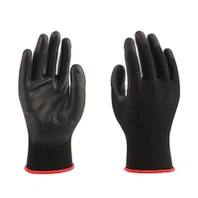
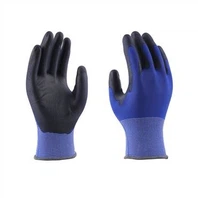
As a supplier of white PU gloves, I often encounter inquiries about the insulation properties of these gloves. In this blog post, I will delve into the science behind the insulation capabilities of white PU gloves, exploring the factors that influence their performance and discussing their practical applications.
Understanding the Basics of Insulation
Before we discuss the insulation properties of white PU gloves, it's important to understand the basic principles of insulation. Insulation is the process of reducing the transfer of heat between two objects or environments. In the context of gloves, insulation refers to the ability of the glove material to prevent heat from escaping from the hand or to protect the hand from external heat sources.
The effectiveness of insulation is measured by the thermal resistance of the material, which is typically expressed in units of R-value. A higher R-value indicates better insulation performance, as it means that the material is more resistant to heat transfer.
The Composition of White PU Gloves
White PU gloves are typically made from a combination of materials, including a base fabric and a polyurethane (PU) coating. The base fabric provides the structure and durability of the glove, while the PU coating adds additional properties such as water resistance, abrasion resistance, and grip.
The choice of base fabric can have a significant impact on the insulation properties of the gloves. Common base fabrics used in white PU gloves include nylon, polyester, and cotton. Nylon and polyester are synthetic materials that are known for their strength and durability, while cotton is a natural fiber that is soft and breathable.
The PU coating on white PU gloves can also affect their insulation performance. The thickness and density of the coating can influence the thermal resistance of the gloves, as a thicker and denser coating will generally provide better insulation. Additionally, some PU coatings may be formulated with special additives or technologies to enhance their insulation properties.
Factors Affecting the Insulation Performance of White PU Gloves
Several factors can affect the insulation performance of white PU gloves, including:
- Material Composition: As mentioned earlier, the choice of base fabric and PU coating can have a significant impact on the insulation properties of the gloves. Different materials have different thermal conductivities, which determine how well they can resist heat transfer.
- Thickness: The thickness of the glove material is another important factor in determining its insulation performance. Generally, thicker gloves will provide better insulation than thinner gloves, as they have more material to resist heat transfer.
- Density: The density of the glove material can also affect its insulation performance. A denser material will generally provide better insulation than a less dense material, as it has fewer air pockets through which heat can escape.
- Fit: The fit of the gloves is also important for insulation performance. Gloves that are too loose may allow air to circulate inside the glove, reducing its insulation effectiveness. On the other hand, gloves that are too tight may restrict blood flow to the hands, which can also affect their ability to stay warm.
- Environmental Conditions: The insulation performance of white PU gloves can also be affected by the environmental conditions in which they are used. For example, gloves may provide better insulation in cold, dry conditions than in warm, humid conditions.
Testing the Insulation Performance of White PU Gloves
To determine the insulation performance of white PU gloves, various testing methods can be used. One common method is the ASTM F1291 test, which measures the thermal insulation of protective clothing materials. This test involves placing a heated plate on the inside of the glove and measuring the amount of heat that is transferred through the glove to the outside environment.
Another method is the EN 511 test, which is used to evaluate the cold resistance of gloves. This test measures the time it takes for the temperature of a hand-shaped sensor inside the glove to drop by a certain amount when exposed to a cold environment.
By conducting these tests, manufacturers can determine the insulation performance of their white PU gloves and provide accurate information to customers.
Practical Applications of White PU Gloves with Good Insulation
White PU gloves with good insulation properties can be used in a variety of applications, including:
- Cold Weather Work: In cold weather conditions, white PU gloves with good insulation can help keep the hands warm and protected. They are commonly used in industries such as construction, manufacturing, and logistics, where workers may be exposed to cold temperatures for extended periods of time.
- Freezer Work: Workers in freezer environments, such as warehouses and food processing plants, require gloves that can provide excellent insulation to protect their hands from the extreme cold. White PU gloves with high R-values are ideal for these applications.
- Outdoor Activities: Whether you're skiing, snowboarding, or hiking in cold weather, white PU gloves with good insulation can help keep your hands warm and comfortable. They provide a good balance of warmth, dexterity, and grip, making them suitable for a variety of outdoor activities.
Conclusion
In conclusion, the insulation properties of white PU gloves can vary depending on several factors, including the material composition, thickness, density, fit, and environmental conditions. While some white PU gloves may have good insulation performance, others may not be as effective.
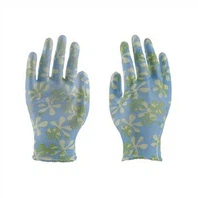
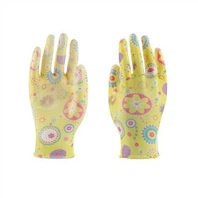
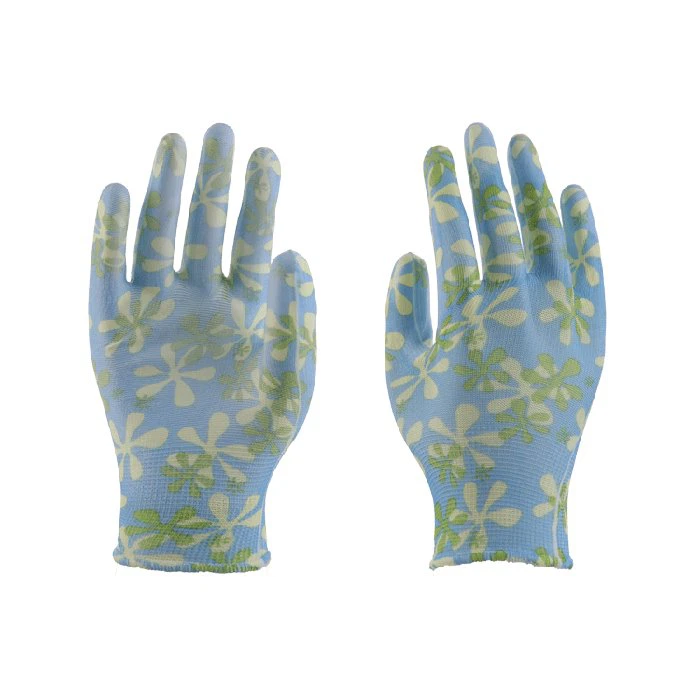
As a supplier of white PU gloves, we offer a range of products with different insulation properties to meet the needs of our customers. Our PU Coating Gloves For Safety Work are designed to provide excellent protection and insulation in a variety of work environments. Our PU Gardening Gloves are suitable for outdoor activities in cold weather, offering a good balance of warmth and dexterity. And our 13G CARBON FIBER ANTI-STATIC PU COATED GLOVES are ideal for industries where static electricity is a concern.

If you're interested in learning more about our white PU gloves or would like to discuss your specific requirements, please feel free to contact us. We look forward to working with you to find the perfect gloves for your needs.
References
- ASTM F1291 - Standard Test Method for Measuring the Thermal Insulation of Clothing Materials Using a Heated Plate
- EN 511 - Protective gloves against cold