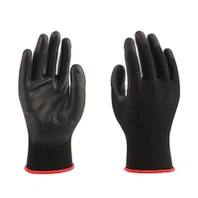
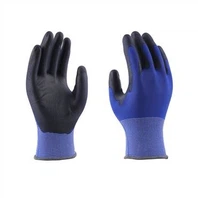
Synthetic leather gloves have become a popular choice in various industries due to their affordability, durability, and wide range of applications. As a supplier of synthetic leather gloves, I often get asked whether these gloves can effectively protect against chemicals. In this blog post, I will delve into the science behind synthetic leather gloves and their chemical resistance capabilities.
Understanding Synthetic Leather
Synthetic leather, also known as faux leather or artificial leather, is a man - made material designed to mimic the look and feel of natural leather. It is typically made from polymers such as polyurethane (PU) or polyvinyl chloride (PVC). These materials are engineered to provide certain properties like flexibility, strength, and resistance to wear and tear.
Chemical Resistance of Synthetic Leather Gloves
The ability of synthetic leather gloves to protect against chemicals depends on several factors, including the type of synthetic material used, the chemical nature of the substance, and the duration and intensity of exposure.
Type of Synthetic Material
- Polyurethane (PU) Gloves: PU - based synthetic leather gloves are known for their good abrasion resistance and flexibility. They offer moderate resistance to many common chemicals, including oils, greases, and some solvents. However, they may not be suitable for long - term exposure to strong acids or alkalis. For example, in light - duty industrial applications where workers are handling lubricating oils, PU synthetic leather gloves can provide a reasonable level of protection.
- Polyvinyl Chloride (PVC) Gloves: PVC synthetic leather gloves are more resistant to certain chemicals compared to PU gloves. They have better resistance to acids, alkalis, and some corrosive substances. But they may be less flexible than PU gloves, which can limit their use in tasks that require fine motor skills.
Chemical Nature of the Substance
- Non - polar Chemicals: Synthetic leather gloves generally offer better protection against non - polar chemicals such as hydrocarbons (e.g., gasoline, diesel). The molecular structure of synthetic leather materials can act as a barrier to these substances, preventing them from penetrating the glove and reaching the skin. For instance, in automotive repair shops, workers handling fuel or lubricants can rely on synthetic leather gloves to reduce the risk of skin contact with these non - polar chemicals.
- Polar Chemicals and Corrosives: Strong acids, alkalis, and polar solvents pose a greater challenge for synthetic leather gloves. These chemicals can break down the polymer structure of the synthetic leather over time. For example, concentrated sulfuric acid can react with the components of the synthetic leather, causing it to degrade and lose its protective properties.
Duration and Intensity of Exposure
Even if a synthetic leather glove is resistant to a particular chemical, prolonged or high - intensity exposure can compromise its effectiveness. For short - term, intermittent contact with a chemical, synthetic leather gloves may provide adequate protection. However, in situations where workers are continuously exposed to chemicals, such as in a chemical manufacturing plant, more specialized gloves made from materials like nitrile or neoprene may be required.
Applications of Synthetic Leather Gloves in Chemical - Handling Situations
Synthetic leather gloves have their place in chemical - handling scenarios, especially in light - duty and medium - duty applications.
Light - Duty Mechanic Work
In light - duty mechanic work, workers often encounter a variety of chemicals, including oils, coolants, and cleaning solvents. Light Duty Mechanic Glove made from synthetic leather can offer protection against these substances while allowing for dexterity. Mechanics need to be able to grip tools and parts precisely, and the flexibility of synthetic leather gloves makes them a practical choice.
General Industrial Work
In general industrial settings, employees may handle a range of chemicals during routine maintenance, cleaning, or assembly tasks. Synthetic Work Gloves provide a cost - effective solution for protecting hands from minor chemical splashes and spills. They are also comfortable to wear for extended periods, which is important for productivity.
Construction and DIY Projects
In construction and do - it - yourself (DIY) projects, workers may come into contact with chemicals such as adhesives, paints, and sealants. Synthetic Leather Work Gloves can protect hands from these substances while offering the durability needed for handling rough materials and tools.
Limitations of Synthetic Leather Gloves in Chemical Protection
It is important to recognize the limitations of synthetic leather gloves when it comes to chemical protection.
- Lack of Resistance to Some Chemicals: As mentioned earlier, synthetic leather gloves may not be suitable for protecting against highly corrosive chemicals, strong oxidizers, or certain types of pesticides. In these cases, specialized chemical - resistant gloves should be used.
- Degradation Over Time: Even with chemicals that they are initially resistant to, synthetic leather gloves can degrade over time with repeated exposure. This can lead to a reduction in their protective capabilities and an increased risk of skin contact with chemicals.
Making an Informed Decision
When choosing gloves for chemical protection, it is crucial to consider the specific chemical hazards in the workplace. Employers should conduct a thorough risk assessment to determine the appropriate type of gloves for their employees. Factors such as the type of chemical, the frequency and duration of exposure, and the task requirements should all be taken into account.
If synthetic leather gloves are deemed suitable for a particular application, it is important to follow proper usage and maintenance guidelines. This includes inspecting the gloves regularly for signs of damage or degradation, replacing them when necessary, and washing them according to the manufacturer's instructions.


Conclusion
Synthetic leather gloves can provide a certain level of protection against chemicals, especially in light - duty and medium - duty applications. They offer a balance between cost, flexibility, and durability. However, they have limitations when it comes to protecting against highly corrosive or reactive chemicals. As a supplier of synthetic leather gloves, I understand the importance of providing customers with accurate information about the capabilities and limitations of our products.
If you are in the market for high - quality synthetic leather gloves for your workplace, we are here to help. Our range of Synthetic Work Gloves and Synthetic Leather Work Gloves is designed to meet the diverse needs of different industries. Whether you are in the automotive, construction, or general manufacturing sector, we can provide you with the right gloves for the job. Contact us today to discuss your specific requirements and start a procurement negotiation.
References
- ASTM International. "Standard Test Methods for Permeation of Liquids and Gases through Protective Clothing Materials under Conditions of Continuous Contact." ASTM F739 - 17.
- Occupational Safety and Health Administration (OSHA). "Personal Protective Equipment Standards." 29 CFR 1910 Subpart I.
- National Institute for Occupational Safety and Health (NIOSH). "Selection and Use of Chemical - Protective Clothing." DHHS (NIOSH) Publication No. 2005 - 104.