Leather work gloves are a staple in many industries, valued for their durability, flexibility, and protection. One common question that often arises is whether leather work gloves have reinforced fingers. In this blog post, we'll delve into this topic, exploring the reasons for finger reinforcement, the methods used, and the benefits it provides. As a supplier of leather work gloves, I'll also share some insights into our product offerings and how they meet the diverse needs of our customers.
Why Reinforce Fingers in Leather Work Gloves?
Fingers are among the most active and vulnerable parts of the hand when working. They are constantly in contact with tools, materials, and surfaces, making them prone to wear and tear, cuts, abrasions, and punctures. Reinforcing the fingers in leather work gloves can significantly enhance their durability and protection, extending their lifespan and reducing the risk of injury.
There are several scenarios where finger reinforcement is particularly beneficial:
- Heavy-duty tasks: In industries such as construction, manufacturing, and mining, workers often handle sharp objects, rough materials, and heavy machinery. Reinforced fingers can withstand the rigors of these tasks, providing an extra layer of protection against cuts and punctures.
- Precision work: Jobs that require fine motor skills, such as electronics assembly, woodworking, and jewelry making, demand gloves that offer both dexterity and protection. Reinforced fingers can prevent small cuts and abrasions without compromising the glove's flexibility, allowing workers to perform tasks with precision.
- Repetitive motions: Workers who perform repetitive tasks, such as gripping, pinching, and pulling, are at risk of developing hand fatigue and injuries. Reinforced fingers can reduce the stress on the fingers, minimizing the risk of blisters, calluses, and other repetitive strain injuries.
Methods of Finger Reinforcement
There are several ways to reinforce the fingers in leather work gloves, each with its own advantages and applications. Here are some of the most common methods:
- Double-layer leather: One of the simplest and most effective ways to reinforce the fingers is by using double-layer leather. This involves adding an extra layer of leather to the fingertips or the entire finger area, providing additional thickness and durability. Double-layer leather can withstand more wear and tear than single-layer leather, making it ideal for heavy-duty tasks.
- Reinforcing patches: Another method is to attach reinforcing patches to the fingers. These patches can be made of leather, synthetic materials, or a combination of both. They are typically sewn or glued onto the glove, providing targeted protection to the areas that are most prone to damage. Reinforcing patches can be customized to fit the specific needs of the task, such as adding extra padding to the fingertips for improved grip or using a cut-resistant material for added protection.
- Specialized stitching: The stitching used in the fingers can also contribute to their reinforcement. Some gloves feature reinforced stitching, such as bar-tacking or double stitching, which helps to prevent the seams from coming apart under stress. Specialized stitching can also improve the overall strength and durability of the glove, making it more resistant to tearing and abrasion.
- Cut-resistant materials: For applications where cut protection is a primary concern, gloves can be reinforced with cut-resistant materials. These materials, such as Kevlar, Dyneema, or stainless steel mesh, are incorporated into the fingers or the entire glove to provide a high level of cut resistance. Cut-resistant gloves are commonly used in industries such as meat processing, glass handling, and metalworking.
Benefits of Reinforced Fingers
The benefits of having reinforced fingers in leather work gloves are numerous. Here are some of the key advantages:
- Enhanced durability: Reinforced fingers can withstand more wear and tear than non-reinforced fingers, extending the lifespan of the gloves. This means that workers can use the same pair of gloves for a longer period of time, reducing the need for frequent replacements and saving money in the long run.
- Improved protection: The extra layer of protection provided by reinforced fingers can significantly reduce the risk of cuts, abrasions, and punctures. This is especially important in industries where workers are exposed to sharp objects or rough materials on a daily basis. By protecting the fingers, reinforced gloves can help to prevent serious injuries and keep workers safe on the job.
- Better grip: Reinforced fingers can provide a better grip on tools and materials, improving the worker's dexterity and control. This is particularly important in tasks that require precision and accuracy, such as handling small parts or operating delicate equipment. A better grip can also reduce the risk of accidents and improve productivity.
- Increased comfort: Contrary to what some may think, reinforced fingers do not necessarily compromise the comfort of the gloves. Many modern leather work gloves are designed with ergonomic features and breathable materials, ensuring that the fingers remain comfortable even during extended periods of use. Reinforced fingers can also reduce the stress on the hands, minimizing fatigue and discomfort.
Our Leather Work Gloves with Reinforced Fingers
As a supplier of leather work gloves, we understand the importance of providing high-quality products that meet the diverse needs of our customers. That's why we offer a wide range of leather work gloves with reinforced fingers, designed to provide superior protection, durability, and comfort.
Our Cut Resistant Leather Gloves are a popular choice for industries that require high levels of cut protection. These gloves are made from premium leather and reinforced with cut-resistant materials, such as Kevlar or stainless steel mesh, to provide excellent cut resistance without sacrificing flexibility. The reinforced fingers are designed to withstand the rigors of heavy-duty tasks, making them ideal for applications such as metalworking, glass handling, and construction.
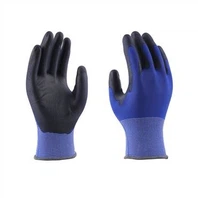
For workers who need gloves that offer both dexterity and protection, our 7G Gray Yarn Rubber Gloves are an excellent option. These gloves feature a reinforced palm and fingers, providing enhanced grip and protection against abrasions. The 7G gray yarn liner offers excellent dexterity and comfort, making them suitable for tasks that require fine motor skills, such as electronics assembly and woodworking.

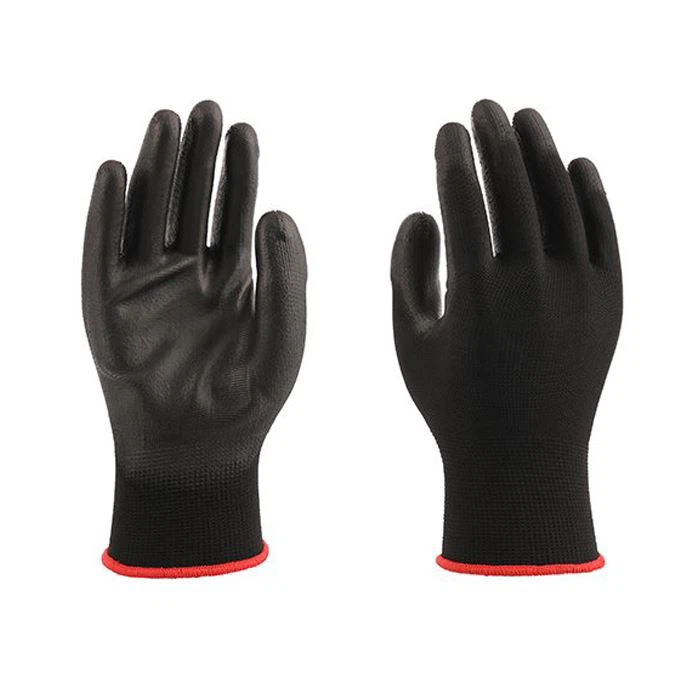
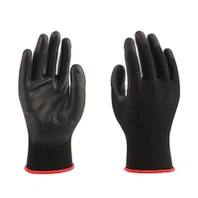
Our PU Coated Gloves - Black are another popular choice for workers in a variety of industries. These gloves are made from high-quality leather and coated with a polyurethane (PU) material, providing excellent abrasion resistance and grip. The reinforced fingers are designed to withstand the wear and tear of daily use, making them ideal for tasks such as handling tools, equipment, and materials.
Conclusion
In conclusion, leather work gloves with reinforced fingers offer a number of benefits, including enhanced durability, improved protection, better grip, and increased comfort. Whether you're working in a heavy-duty industry or performing precision tasks, having gloves with reinforced fingers can make a significant difference in your safety and productivity.
As a supplier of leather work gloves, we are committed to providing our customers with high-quality products that meet their specific needs. Our range of gloves with reinforced fingers is designed to provide superior protection and performance, ensuring that you can work with confidence and peace of mind.
If you're interested in learning more about our leather work gloves or would like to discuss your specific requirements, please don't hesitate to contact us. Our team of experts is always on hand to assist you and provide you with the information you need to make an informed decision.
References
- ASTM International. (2021). Standard Test Methods for Measuring Cut Resistance of Materials Used in Protective Clothing. ASTM F1790-16.
- National Institute for Occupational Safety and Health (NIOSH). (2020). Hand Protection. Retrieved from NIOSH website.
- Occupational Safety and Health Administration (OSHA). (2019). Hand and Arm Protection. Retrieved from OSHA website.