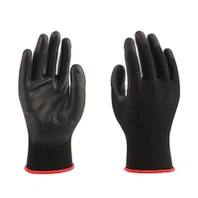
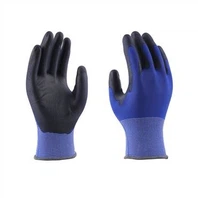
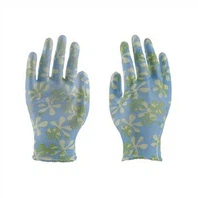
In the realm of painting, protective gear is of utmost importance. One item that often comes into question for use in painting tasks is synthetic leather gloves. As a well - established supplier of synthetic leather gloves, I've fielded numerous inquiries regarding their suitability for painting. In this article, I'll delve into the characteristics of synthetic leather gloves, their pros and cons when used for painting, and provide a comprehensive analysis to help you make an informed decision.
Understanding Synthetic Leather Gloves
Synthetic leather, also known as faux leather or artificial leather, is a man - made material designed to mimic the look and feel of real leather. It is typically crafted from a variety of materials, such as polyurethane (PU) or polyvinyl chloride (PVC). These materials are engineered to offer different qualities, from softness and flexibility to enhanced durability.
Our company offers a wide range of Synthetic Work Gloves, each tailored to specific tasks. The production of these gloves involves advanced manufacturing techniques that ensure a consistent quality. The gloves are available in different thicknesses, textures, and sizes, allowing for a comfortable and secure fit for various hand sizes and shapes.
Advantages of Using Synthetic Leather Gloves for Painting
Chemical Resistance
One of the significant advantages of synthetic leather gloves in painting is their chemical resistance. Most synthetic leather materials are treated to resist common solvents, paints, and thinners. Polyurethane - based synthetic leather, for example, can provide a reliable barrier against a wide range of water - based and oil - based paints. This means that your hands are protected from direct contact with potentially harmful chemicals, reducing the risk of skin irritation, allergic reactions, and long - term health issues.
Flexibility and Dexterity
Painting often requires a high level of precision, whether it's applying a thin coat of paint or working on intricate details. Synthetic leather gloves are known for their excellent flexibility and dexterity. They are designed to move with your hands, allowing you to maintain a good grip on the paintbrush or other painting tools. Unlike some bulky protective gloves, synthetic leather gloves do not significantly impede your hand movements, enabling you to create smooth and even strokes.
Affordability
Compared to real leather gloves, synthetic leather gloves are generally more affordable. This makes them an attractive option for both professional painters who need to replace gloves frequently due to wear and tear, and amateur painters on a budget. As a supplier, we strive to offer cost - effective solutions without compromising on quality. Our Light Duty Mechanic Glove models, for instance, provide excellent value for money while still offering sufficient protection for light to moderate painting tasks.
Easy Maintenance
Synthetic leather gloves are relatively easy to maintain. They can usually be cleaned with a mild detergent and water. Unlike real leather, which may require special conditioning and care to prevent drying and cracking, synthetic leather can withstand regular cleaning without significant deterioration. This ease of maintenance ensures that the gloves can be used for multiple painting projects, making them a practical choice for long - term use.

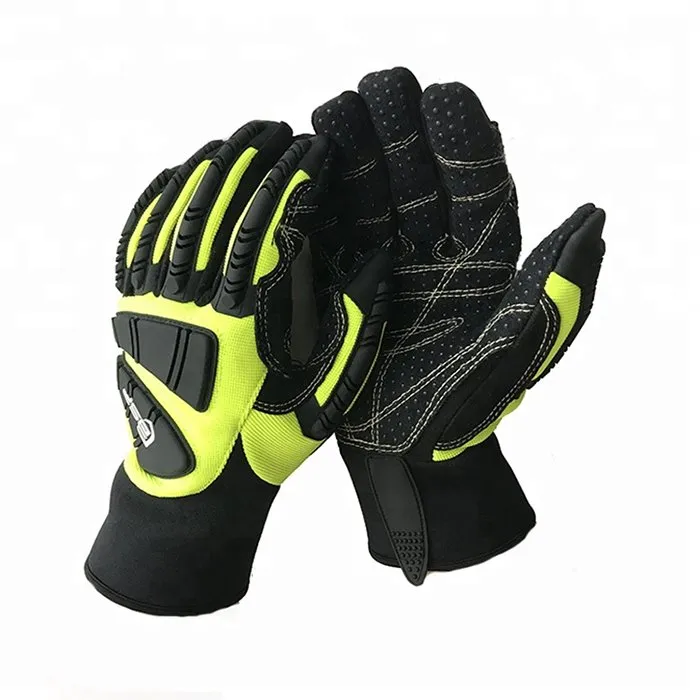
Disadvantages of Using Synthetic Leather Gloves for Painting
Limited Heat Resistance
One of the drawbacks of synthetic leather gloves is their limited heat resistance. When working with high - temperature paints or in environments where heat is generated during the painting process, the synthetic material may start to melt or degrade. This can not only damage the gloves but also pose a safety risk to the wearer. For example, in some industrial painting applications where heat lamps are used to dry the paint quickly, synthetic leather gloves may not be the best option.
Breathability
Compared to natural materials like cotton or real leather, synthetic leather gloves may have poor breathability. When your hands are enclosed in these gloves for an extended period while painting, it can lead to sweating and discomfort. Prolonged sweating can also cause the gloves to become slippery, affecting your grip on the painting tools. This lack of breathability can be a significant issue, especially in hot and humid working conditions.
Durability in Harsh Conditions
While synthetic leather gloves are generally durable, they may not hold up as well as real leather in extremely harsh conditions. Abrasive surfaces or sharp objects can more easily damage the synthetic material compared to genuine leather. In painting settings where there is a risk of scraping against rough edges or where the gloves may come into contact with sharp tools, the synthetic leather may tear or wear out more quickly.
Considerations When Using Synthetic Leather Gloves for Painting
Type of Paint
The type of paint you are using is a crucial factor. Water - based paints are generally less corrosive than oil - based paints. For water - based paint applications, our Synthetic Leather Work Gloves can provide adequate protection. However, for oil - based paints and strong solvents, you may need to choose gloves with a higher level of chemical resistance.
Task Duration
If you are working on a short - term painting project, the limitations of synthetic leather gloves, such as breathability and heat resistance, may not be as significant. But for long - term projects that require hours of continuous painting, you need to consider these factors carefully to ensure your comfort and safety.
Budget
As mentioned earlier, cost is an important consideration. If you are working on a tight budget, synthetic leather gloves offer a practical and affordable solution. However, if you can afford to invest more, you may want to consider other types of gloves that offer better performance in specific areas.
Conclusion
Synthetic leather gloves can indeed be used for painting, and they offer several advantages, including chemical resistance, flexibility, affordability, and easy maintenance. However, they also have some limitations, such as limited heat resistance, poor breathability, and lower durability in harsh conditions. As a synthetic leather gloves supplier, we understand the diverse needs of painters, whether they are professionals or hobbyists.
Before making a decision, it is essential to assess your specific painting requirements, taking into account factors such as the type of paint, task duration, and budget. Our team of experts is always available to provide guidance and help you select the most suitable gloves for your painting needs. If you are interested in purchasing high - quality synthetic leather gloves, we encourage you to contact us for a detailed product consultation and to discuss your procurement requirements. We look forward to working with you and providing the best protective solutions for your painting projects.
References
- "Hand Protection in the Painting Industry: A Comprehensive Guide", Industrial Safety Journal, 20XX.
- "Synthetic Leather Materials: Properties and Applications", Materials Science Review, 20XX.