As a supplier of Pu Palm Coated Nylon Gloves, I often get asked if our gloves can be used for plastering. It's a valid question, and in this blog post, I'll share my insights based on years of experience in the glove industry.
Understanding Pu Palm Coated Nylon Gloves
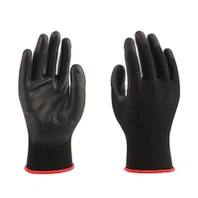
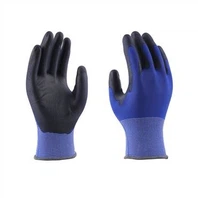
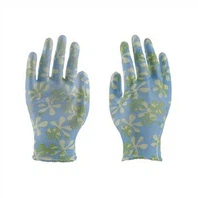
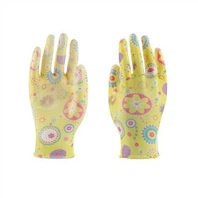
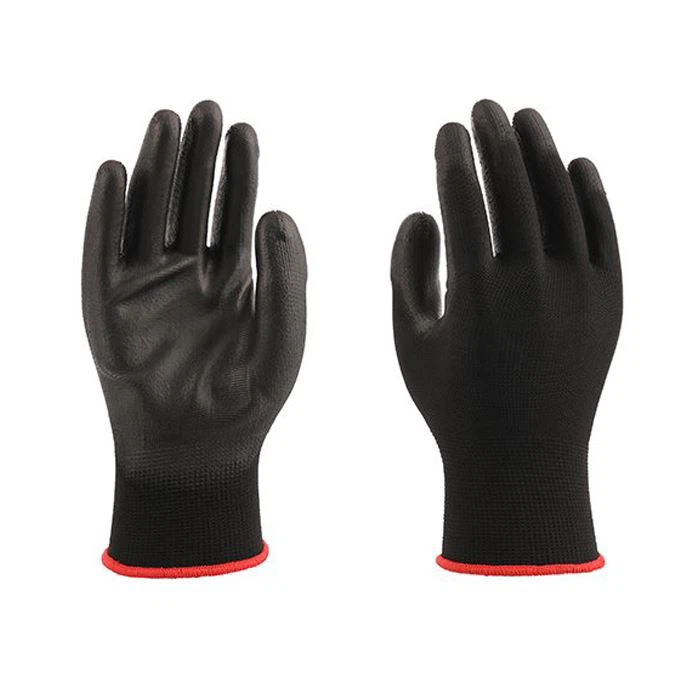
First off, let's talk about what Pu Palm Coated Nylon Gloves are. These gloves have a nylon base, which is known for its high strength, flexibility, and breathability. The palm is coated with polyurethane (PU), a synthetic material that offers excellent grip, abrasion resistance, and protection against various chemicals.
The nylon base allows for a snug fit, which is crucial for dexterity, while the PU coating provides that extra layer of durability and grip on surfaces. You can check out our White PU Gloves and Black Coating PU Top Work Gloves to see the variety we offer in terms of colors and styles.
The Requirements for Plastering
Plastering is a demanding job that requires a combination of skills and the right tools. When it comes to gloves, there are a few key requirements:

- Grip: Plaster is a sticky material, and you need gloves that can hold the trowel firmly without slipping. A good grip also helps in spreading the plaster evenly on the surface.
- Durability: Plastering can be rough on gloves. You'll be scraping, spreading, and smoothing the plaster, which can cause wear and tear. Gloves need to withstand this abrasion without tearing or losing their shape.
- Comfort: Since plastering can take hours, you need gloves that are comfortable to wear for long periods. They should fit well and not restrict movement, allowing you to work efficiently.
- Chemical Resistance: Plaster often contains chemicals that can be irritating to the skin. Gloves should provide a barrier against these chemicals to protect your hands.
Can Pu Palm Coated Nylon Gloves Meet the Requirements?
Let's break down how Pu Palm Coated Nylon Gloves stack up against the requirements for plastering:
- Grip: The PU coating on the palm of these gloves provides an excellent grip. Whether you're holding a trowel or working with the plaster directly, the gloves will help you maintain control. The texture of the PU coating is designed to enhance friction, making it easier to handle the sticky plaster.
- Durability: Nylon is a tough material, and when combined with the PU coating, it creates a glove that can withstand a fair amount of abrasion. The PU coating acts as a protective layer, reducing the risk of the nylon base getting damaged. However, it's important to note that if you're working with very rough surfaces or using sharp tools, the gloves may still wear out over time. But for general plastering work, they should hold up well.
- Comfort: The nylon base of the gloves is lightweight and breathable, allowing your hands to stay cool and dry. The snug fit of the gloves also ensures that they don't interfere with your hand movements. You can work for extended periods without feeling restricted or uncomfortable.
- Chemical Resistance: PU is resistant to many chemicals commonly found in plaster. It provides a barrier that protects your hands from irritation and potential skin damage. However, it's always a good idea to check the specific chemicals in the plaster you're using and make sure the gloves are suitable for those substances.
Advantages of Using Pu Palm Coated Nylon Gloves for Plastering
- Cost-Effective: Compared to some other types of gloves designed for heavy-duty work, Pu Palm Coated Nylon Gloves are relatively affordable. You can get a good pair of gloves without breaking the bank.
- Versatility: These gloves can be used for a variety of other tasks besides plastering. Whether you're doing some light construction work, handling tools, or working in a workshop, the gloves will come in handy.
- Easy to Clean: After a day of plastering, you can easily clean the gloves with soap and water. The PU coating makes it resistant to stains, and the nylon base dries quickly.
Limitations and Considerations
- Thickness: The thickness of the gloves may vary. If the gloves are too thick, it may affect your dexterity, especially when working on fine details. On the other hand, if they're too thin, they may not provide enough protection. It's important to choose the right thickness based on your specific needs.
- Prolonged Exposure: If you're constantly working with plaster for long periods, the gloves may eventually break down. The chemicals in the plaster can gradually degrade the PU coating and the nylon base. In such cases, it may be necessary to replace the gloves more frequently.
Our Product Range
We offer a wide range of Pu Palm Coated Nylon Gloves to suit different needs. In addition to the White PU Gloves and Black Coating PU Top Work Gloves I mentioned earlier, we also have PU Coated Gloves - Black. These gloves come in different sizes and styles, so you can find the perfect fit for your hands.
Conclusion
In conclusion, Pu Palm Coated Nylon Gloves can definitely be used for plastering. They offer a good balance of grip, durability, comfort, and chemical resistance. While they may have some limitations, they are a cost-effective and versatile option for plasterers.
If you're in the market for high-quality Pu Palm Coated Nylon Gloves for your plastering work or other tasks, feel free to reach out to us for a quote. We're here to help you find the right gloves for your needs.
References
- Industry research on glove materials and their applications in construction.
- Customer feedback and experiences with using Pu Palm Coated Nylon Gloves for plastering.