Pottery is an age - old craft that combines creativity and skill. Potters work with various tools and materials, from shaping clay on the wheel to using sharp implements for carving and trimming. One common question that arises in the pottery community is whether PU cut - resistant gloves can be used for pottery work. As a supplier of PU cut - resistant gloves, I'll delve into this topic in detail.
Understanding PU Cut - Resistant Gloves
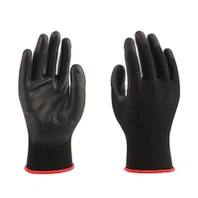
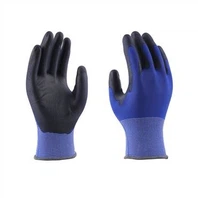
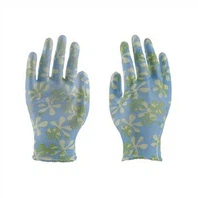
PU cut - resistant gloves are designed to protect the hands from cuts and abrasions. The "PU" stands for polyurethane, a type of polymer that is often used as a coating on the gloves. This coating can enhance the grip, durability, and cut - resistance of the gloves. There are different levels of cut - resistance, which are determined by standardized testing methods. For example, our 13G PU Coated Cut Resistant Gloves - Level 5 offer a high level of protection, suitable for tasks where sharp objects are frequently encountered.
The construction of these gloves typically involves a base layer made of materials such as high - performance fibers, which provide the cut - resistance. The PU coating is then applied to the palm and fingers, improving the grip and adding an extra layer of protection. Some of our Medium Strength PE Fiber Cut Resistant Gloves are made with a combination of polyethylene fibers and the PU coating, offering a balance between cut - resistance and flexibility.
The Demands of Pottery Work
Pottery work has its own unique set of requirements. When working with clay, potters need a good sense of touch to shape the clay accurately. They also use a variety of tools, some of which can be sharp. For example, trimming tools, wire cutters, and carving knives are commonly used in pottery. These tools pose a risk of cuts to the hands.
In addition to the risk of cuts, potters also need gloves that can withstand the wet and dirty environment of the pottery studio. Clay can be sticky and messy, and gloves need to be easy to clean. Comfort is also a crucial factor, as potters may spend long hours working on their pieces.
Advantages of Using PU Cut - Resistant Gloves in Pottery
Cut Protection
The most obvious advantage of using PU cut - resistant gloves in pottery is the protection they offer against cuts. When using sharp tools like carving knives or wire cutters, a single slip can result in a serious cut. Our cut - resistant gloves can significantly reduce this risk. For instance, the Cut Resistant Pu Coated Work Gloves For Outdoor are designed to withstand the impact of sharp objects, providing a reliable barrier between the hand and the tool.
Grip
The PU coating on the gloves provides an excellent grip, which is essential for pottery work. When handling wet clay or using tools, a good grip ensures better control. The textured surface of the PU coating allows potters to hold the clay firmly while shaping it on the wheel or to manipulate tools with precision.
Durability
Pottery work can be tough on gloves. The constant contact with clay, water, and sharp tools can wear out gloves quickly. PU cut - resistant gloves are known for their durability. The PU coating is resistant to abrasion and can withstand the rough handling associated with pottery work. This means that the gloves will last longer, providing cost - effective protection for potters.
Potential Drawbacks
Loss of Sensitivity
One of the main concerns with using cut - resistant gloves in pottery is the potential loss of sensitivity. Pottery requires a delicate touch, and thick cut - resistant gloves may make it difficult to feel the clay accurately. However, modern cut - resistant gloves are designed to be as thin and flexible as possible while still providing adequate protection. Our gloves are engineered to strike a balance between protection and sensitivity, allowing potters to maintain a good sense of touch.
Heat and Moisture
Working with clay can be a sweaty job, and gloves can trap heat and moisture. This can make the hands uncomfortable and may even lead to skin problems over time. To address this issue, our gloves are made with breathable materials that allow air to circulate, reducing the build - up of heat and moisture inside the gloves.


Tips for Using PU Cut - Resistant Gloves in Pottery
Choose the Right Size
A properly fitting glove is essential for both comfort and performance. Gloves that are too tight can restrict movement and cause discomfort, while gloves that are too loose may not provide a good grip. Make sure to measure your hands accurately and choose the size that fits you best.
Clean the Gloves Regularly
Clay can build up on the gloves over time, affecting their grip and durability. Clean the gloves regularly with mild soap and water. Avoid using harsh chemicals, as they can damage the PU coating.
Inspect the Gloves for Damage
Before each use, inspect the gloves for any signs of damage, such as cuts, tears, or worn - out areas. If the gloves are damaged, replace them immediately to ensure continued protection.
Conclusion
In conclusion, PU cut - resistant gloves can be a valuable addition to a potter's toolkit. They offer protection against cuts, a good grip, and durability, which are all important factors in pottery work. While there may be some potential drawbacks, such as a slight loss of sensitivity and heat build - up, these can be mitigated by choosing the right gloves and following proper usage and maintenance tips.
If you're a potter looking for high - quality cut - resistant gloves, we invite you to explore our range of products. Our gloves are designed to meet the specific needs of pottery work, providing the protection and performance you need. Whether you're a professional potter or a hobbyist, we have the right gloves for you. If you're interested in purchasing our PU cut - resistant gloves, please feel free to contact us to discuss your requirements and start a procurement negotiation. We look forward to serving you.
References
- ASTM International. Standard Test Methods for Measuring Cut Resistance of Materials Used in Protective Clothing.
- European Committee for Standardization. EN 388:2016 Protective gloves against mechanical risks.