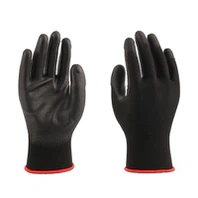
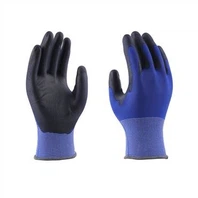
Can nitrile coated gloves be used for welding? This is a question that often pops up in industrial safety discussions. As a nitrile coated gloves supplier, I've seen firsthand the diverse needs of workers across various industries, and welding is no exception. In this blog post, I'll delve into the science behind nitrile coated gloves and their suitability for welding applications.
Understanding Nitrile Coated Gloves
Nitrile coated gloves are a popular choice in many industrial settings due to their excellent resistance to chemicals, punctures, and abrasions. The nitrile coating, typically applied to a knitted or woven liner, provides a barrier between the wearer's hands and potential hazards. The liners can be made from materials like polyester, nylon, or cotton, each offering different levels of comfort and dexterity.
There are two main types of nitrile coated gloves that I commonly supply: Microfoam Nitrile Gloves and Industrial Nitrile Gloves. Microfoam nitrile gloves have a unique porous structure that allows for breathability, making them suitable for tasks that require extended wear. Industrial nitrile gloves, on the other hand, are known for their durability and high levels of chemical resistance, making them ideal for heavy-duty applications.
The Requirements of Welding
Welding is a complex process that involves high temperatures, sparks, and molten metal. As such, welders require gloves that can provide adequate protection against these hazards. The American Welding Society (AWS) has established standards for welding gloves, which specify the minimum requirements for heat resistance, flame resistance, and puncture resistance.
Welding gloves are typically made from materials like leather, which has excellent heat and flame resistance properties. Leather gloves can withstand high temperatures for extended periods without igniting or melting, protecting the wearer's hands from burns and other injuries. In addition to heat and flame resistance, welding gloves also need to provide good dexterity and grip, allowing the welder to manipulate the welding equipment with precision.
Can Nitrile Coated Gloves Be Used for Welding?
The short answer is no, nitrile coated gloves are not suitable for welding. While nitrile has many excellent properties, it is not designed to withstand the high temperatures and intense heat generated during welding. Nitrile begins to degrade at temperatures above 100°C (212°F), and it can melt or ignite at higher temperatures. This means that if a nitrile coated glove were to come into contact with the welding arc or molten metal, it could quickly catch fire or cause severe burns to the wearer's hands.
In addition to their poor heat resistance, nitrile coated gloves also do not provide the same level of puncture and abrasion resistance as leather welding gloves. Welding involves working with sharp edges and rough materials, which can easily puncture or damage the nitrile coating. This can compromise the integrity of the glove and expose the wearer's hands to potential hazards.
Alternatives to Nitrile Coated Gloves for Welding
If nitrile coated gloves are not suitable for welding, what are the alternatives? As mentioned earlier, leather is the most common material used for welding gloves. Leather gloves come in a variety of styles and thicknesses, each offering different levels of protection and comfort. Some popular types of leather used for welding gloves include cowhide, deerskin, and kangaroo leather.
Cowhide is a durable and affordable option that provides good heat and abrasion resistance. Deerskin is known for its softness and flexibility, making it a popular choice for tasks that require a high level of dexterity. Kangaroo leather is the most expensive option, but it also offers the highest level of protection and durability.

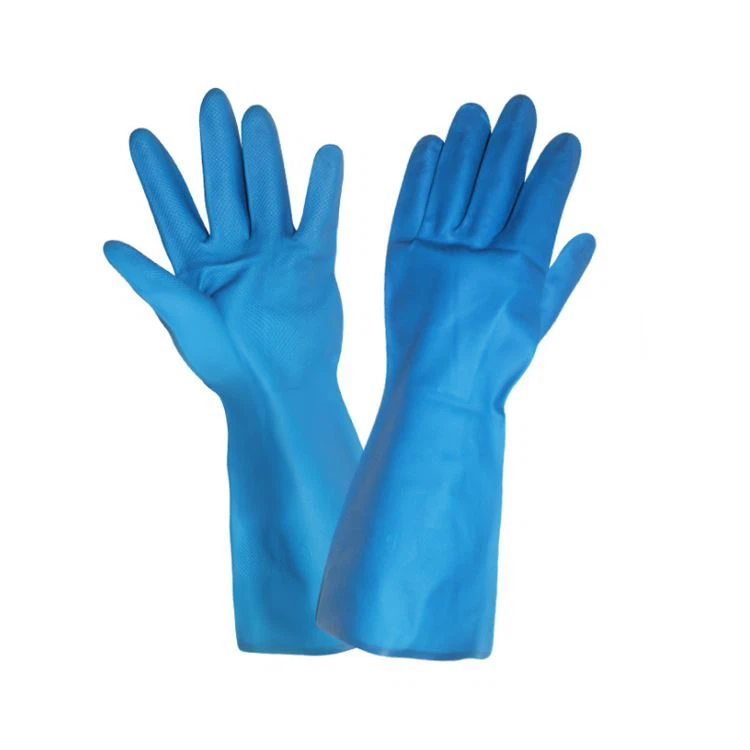
In addition to leather gloves, there are also other types of welding gloves available on the market. These include aluminized gloves, which are coated with a layer of aluminum to reflect heat, and Kevlar gloves, which are made from a synthetic fiber that is strong and cut-resistant.
Conclusion
In conclusion, nitrile coated gloves are not suitable for welding. While they offer many excellent properties, such as chemical resistance and puncture resistance, they do not provide the necessary heat and flame resistance required for welding applications. If you are a welder or work in an industry that involves welding, it is important to choose gloves that are specifically designed for this purpose.
As a nitrile coated gloves supplier, I understand the importance of safety in the workplace. While we do not offer welding gloves, we do provide a wide range of nitrile coated gloves that are suitable for other industrial applications. If you have any questions about our products or need help selecting the right gloves for your needs, please do not hesitate to contact us. We would be happy to assist you in any way we can.
Contact us today to discuss your glove requirements and explore our range of high-quality nitrile coated gloves. We look forward to the opportunity to work with you and provide you with the best possible solutions for your workplace safety needs.
References
- American Welding Society (AWS). Welding Safety and Health Handbook. 4th Edition.
- OSHA. Personal Protective Equipment. 29 CFR 1910.132.
- National Safety Council. Safe Practices for Welding, Cutting, and Brazing.