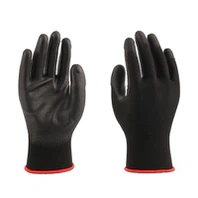
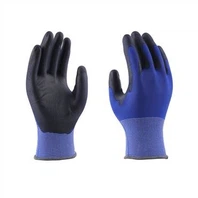
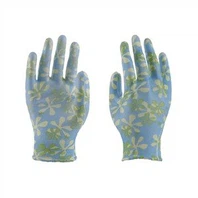
When it comes to safety gear in various industries, latex cut resistant gloves have emerged as a popular choice due to their dual functionality of providing cut protection and a certain level of dexterity. As a supplier of Latex Cut Resistant Gloves, I often receive inquiries about their suitability for different tasks. One question that frequently arises is whether these gloves can be used for painting. In this blog post, we will delve into the characteristics of latex cut resistant gloves and analyze their viability for painting applications.
Understanding Latex Cut Resistant Gloves
Latex cut resistant gloves are designed with a combination of materials to offer both cut protection and a snug fit. The base material typically consists of a cut - resistant fabric, such as high - performance fibers like Dyneema or Kevlar. These fibers are known for their exceptional strength and ability to withstand sharp objects, reducing the risk of cuts and lacerations.
The latex coating on these gloves serves multiple purposes. Firstly, it enhances the grip of the gloves, allowing the wearer to hold tools and objects securely. This is especially important in tasks where precision and control are required. Secondly, latex provides a certain degree of chemical resistance, protecting the hands from various substances. However, the level of chemical resistance depends on the type of latex used and the specific chemicals involved.
Factors to Consider for Painting
Chemical Compatibility
One of the most crucial factors when using gloves for painting is chemical compatibility. Paints come in a wide variety of formulations, including water - based, oil - based, and solvent - based paints. Each type of paint has different chemical properties, and the gloves need to be able to withstand these chemicals without degrading.
Latex gloves generally offer good resistance to water - based paints. Water - based paints are less harsh on materials compared to oil - based or solvent - based paints. They are mainly composed of water, pigments, and additives, and the latex coating on the cut resistant gloves can act as a barrier, preventing the paint from seeping through to the skin.
On the other hand, oil - based and solvent - based paints contain strong chemicals such as hydrocarbons, esters, and ketones. These chemicals can break down the latex over time, causing the gloves to become brittle, lose their elasticity, and eventually fail. If you are working with oil - based or solvent - based paints, it is important to check the chemical resistance chart provided by the glove manufacturer to ensure that the latex cut resistant gloves are suitable for the specific paint you are using.
Dexterity and Comfort
Painting often requires a high level of dexterity to achieve smooth and precise strokes. The gloves need to fit well and allow the fingers to move freely. Latex cut resistant gloves are designed to provide a snug fit, which can enhance dexterity. The latex coating also conforms to the shape of the hand, providing a natural feel.
However, some users may find that the cut - resistant fabric inside the gloves can limit flexibility to a certain extent. This is because the high - performance fibers used for cut protection are often stiffer than regular glove materials. To address this issue, manufacturers are constantly improving the design of latex cut resistant gloves to balance cut protection and flexibility. For example, some gloves feature a thinner layer of cut - resistant fabric or a more ergonomic design to enhance comfort and dexterity.
Breathability
Painting can be a time - consuming task, and wearing gloves for an extended period can cause the hands to sweat. Poor breathability can lead to discomfort, skin irritation, and even fungal infections. Latex is not known for its breathability, as it forms a relatively airtight barrier.


To mitigate this problem, some latex cut resistant gloves are designed with perforations or a breathable lining. Perforated gloves allow air to circulate, reducing sweat buildup. A breathable lining, such as a cotton or moisture - wicking fabric, can also help absorb sweat and keep the hands dry. When choosing latex cut resistant gloves for painting, it is advisable to look for gloves with good breathability features.
Advantages of Using Latex Cut Resistant Gloves for Painting
Cut Protection
Even in a painting environment, there is a risk of cuts and abrasions. For example, when handling sharp tools such as paint scrapers or when working in areas with rough surfaces, the cut - resistant feature of the gloves can provide an extra layer of safety. This is especially important for professional painters who may encounter various hazards on the job site.
Grip
The latex coating on the gloves provides excellent grip, which is essential for holding paintbrushes, rollers, and other painting tools. A good grip ensures that the tools are held securely, reducing the risk of accidents and improving the quality of the painting job.
Cost - Effectiveness
Compared to some specialized painting gloves, latex cut resistant gloves can be a more cost - effective option. They offer multiple functions in one pair of gloves, eliminating the need to purchase separate gloves for cut protection and painting. This can be beneficial for small - scale painters or DIY enthusiasts who want to save money without compromising on safety.
Limitations and Alternatives
Limited Chemical Resistance
As mentioned earlier, latex cut resistant gloves may not be suitable for all types of paints, especially oil - based and solvent - based paints. In such cases, alternative glove materials such as nitrile or neoprene may be more appropriate. Nitrile gloves offer excellent chemical resistance to a wide range of solvents and oils, while neoprene gloves are known for their resistance to chemicals and abrasion.
Durability in Harsh Conditions
In extremely harsh painting environments, such as industrial painting where the paint is applied under high pressure or in a high - temperature environment, the latex cut resistant gloves may not be durable enough. The high pressure and temperature can accelerate the degradation of the latex coating, reducing the lifespan of the gloves. In these situations, heavy - duty gloves made of more robust materials may be required.
Conclusion
In conclusion, latex cut resistant gloves can be used for painting, especially when working with water - based paints. They offer a combination of cut protection, good grip, and reasonable cost - effectiveness. However, when dealing with oil - based or solvent - based paints, it is important to carefully consider the chemical compatibility of the gloves.
If you are in the market for Latex Cut Resistant Gloves or Cut Resistant Winter Gloves for your painting or other work needs, we are here to assist you. Our team of experts can provide you with detailed information about the chemical resistance, dexterity, and other features of our gloves. We are committed to providing high - quality safety products to meet your specific requirements. Contact us today to start a procurement discussion and find the perfect gloves for your job.
References
- "Hand Protection Guide", Occupational Safety and Health Administration (OSHA)
- "Chemical Resistance of Gloves", Glove Manufacturers Association
- "Advances in Cut - Resistant Glove Technology", Journal of Safety Research