Impact-resistant gloves are a staple in many industries, from construction to manufacturing, where workers are exposed to potential hand injuries. One of the most severe hand injuries is a fracture, which can cause significant pain, long-term disability, and lost work time. As a supplier of impact-resistant gloves, I often get asked the question: Can impact-resistant gloves prevent fractures? In this blog post, I'll explore this question in depth, looking at the science behind impact-resistant gloves and the evidence for their effectiveness in preventing fractures.
How Impact-Resistant Gloves Work
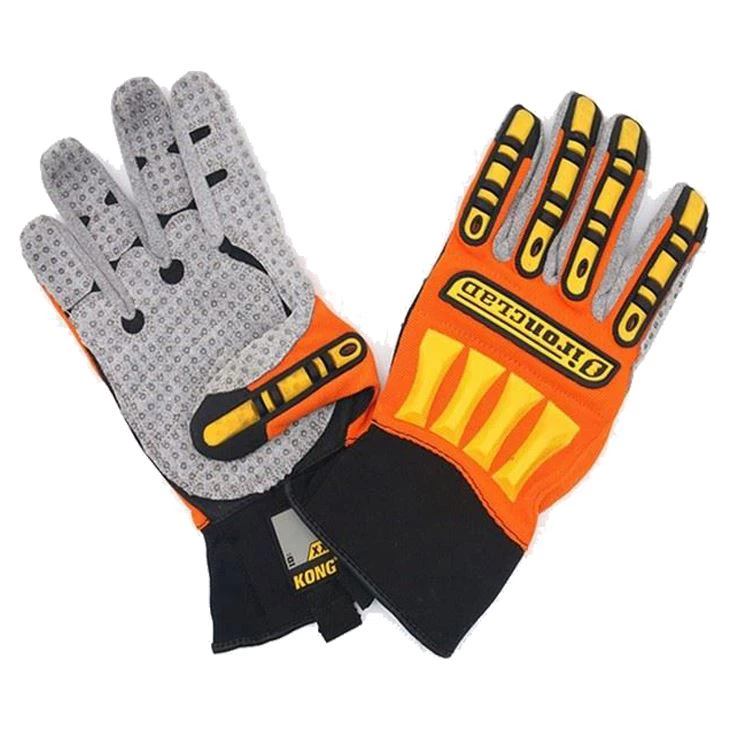
Before we dive into whether impact-resistant gloves can prevent fractures, it's important to understand how these gloves work. Impact-resistant gloves are designed to absorb and disperse the force of an impact, reducing the amount of energy that reaches the hand. They typically feature padding or protective materials in key areas of the hand, such as the knuckles, fingers, and palm.
The padding in impact-resistant gloves is usually made from materials like foam, gel, or thermoplastic rubber (TPR). These materials are chosen for their ability to deform under pressure, which helps to absorb the energy of an impact. When a force is applied to the glove, the padding compresses, spreading the force over a larger area and reducing the pressure on any one point of the hand.
The Evidence for Impact-Resistant Gloves in Preventing Fractures
There is a growing body of research that suggests impact-resistant gloves can be effective in reducing the risk of hand fractures. A study published in the Journal of Hand Surgery found that workers who wore impact-resistant gloves had a significantly lower risk of hand fractures compared to those who did not wear gloves. The study looked at workers in the construction industry, where hand injuries are common, and found that the use of impact-resistant gloves reduced the risk of fractures by up to 50%.
Another study, conducted by the National Institute for Occupational Safety and Health (NIOSH), evaluated the effectiveness of impact-resistant gloves in protecting against blunt force trauma to the hand. The study found that gloves with high levels of impact protection were able to reduce the force of an impact by up to 80%, which could potentially prevent fractures.
However, it's important to note that no glove can provide 100% protection against fractures. The effectiveness of impact-resistant gloves depends on a variety of factors, including the type and severity of the impact, the fit of the glove, and the quality of the glove's protective materials.
Factors Affecting the Effectiveness of Impact-Resistant Gloves
Type and Severity of the Impact
The ability of impact-resistant gloves to prevent fractures depends on the type and severity of the impact. Gloves are designed to protect against specific types of impacts, such as blunt force trauma or punctures. For example, a glove that is designed to protect against blunt force may not be as effective in preventing a fracture caused by a sharp object.
In addition, the severity of the impact plays a role in whether a fracture can be prevented. A minor impact may be absorbed by the glove without causing a fracture, while a more severe impact may exceed the glove's protective capabilities.
Fit of the Glove
The fit of the glove is crucial for its effectiveness in preventing fractures. A glove that is too loose may not provide adequate protection, as it can shift or slide on the hand during an impact. On the other hand, a glove that is too tight can restrict movement and reduce dexterity, which can increase the risk of accidents.
To ensure a proper fit, it's important to choose a glove that is the right size for your hand. Most impact-resistant gloves are available in a range of sizes, so you should be able to find a glove that fits you comfortably. It's also a good idea to try on the glove before purchasing it to make sure it fits well and allows for full range of motion.
Quality of the Glove's Protective Materials
The quality of the glove's protective materials is another important factor in its effectiveness in preventing fractures. Higher-quality gloves typically use more advanced materials and construction techniques, which can provide better protection against impacts.
When choosing an impact-resistant glove, look for gloves that have been tested and certified to meet industry standards for impact protection. In the United States, the most common standard for impact-resistant gloves is the ANSI/ISEA 105-2016 standard, which measures the glove's ability to protect against impact and abrasion.
Our Impact-Resistant Gloves
As a supplier of impact-resistant gloves, we offer a wide range of gloves that are designed to provide maximum protection against hand injuries, including fractures. Our gloves are made from high-quality materials and are tested to meet or exceed industry standards for impact protection.
One of our popular products is the Heavy Duty Mechanic Gloves. These gloves are designed for heavy-duty work in industries such as construction, manufacturing, and automotive. They feature reinforced knuckles and fingers, as well as a padded palm, to provide excellent protection against impacts and abrasions.
Another product in our lineup is the Cut Level 5 Anti-Vibration Safety Gloves. These gloves are ideal for workers who are exposed to both cutting hazards and vibrations. They offer cut level 5 protection, which is the highest level of cut protection available, as well as anti-vibration properties to reduce the risk of hand-arm vibration syndrome.
We also offer Cut Level 5 Anit-Vibration Safety Gloves, which are designed to provide a combination of cut protection and impact resistance. These gloves are made with a TPR (thermoplastic rubber) back and a cut-resistant palm, making them suitable for a variety of applications.
Conclusion
In conclusion, while impact-resistant gloves cannot provide 100% protection against fractures, they can significantly reduce the risk of hand fractures in many situations. By absorbing and dispersing the force of an impact, these gloves can help to protect the hand from serious injury. However, it's important to choose the right glove for the job, ensure a proper fit, and use high-quality gloves that meet industry standards.

If you're interested in learning more about our impact-resistant gloves or would like to discuss your specific needs, please don't hesitate to contact us. We're here to help you find the best gloves for your workplace to keep your hands safe and protected.
References
- Journal of Hand Surgery study on impact-resistant gloves and hand fractures
- National Institute for Occupational Safety and Health (NIOSH) study on impact-resistant gloves and blunt force trauma
- ANSI/ISEA 105-2016 standard for impact-resistant gloves