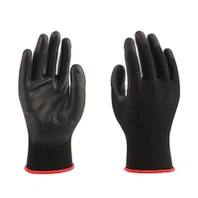
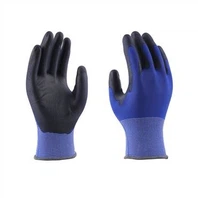
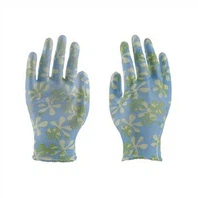
Hey there, fellow gardening enthusiasts! As a supplier of Foam Nitrile Coated Gloves, I often get asked if these gloves are suitable for gardening. Well, let's dive right into it and find out if foam nitrile coated gloves can be your go - to choice for those gardening sessions.
What are Foam Nitrile Coated Gloves?
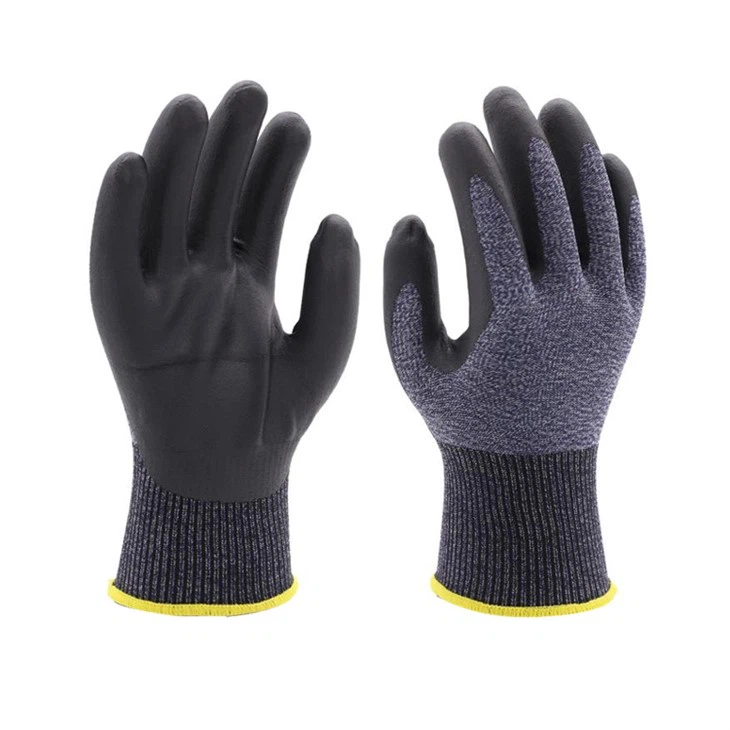
First things first, let's understand what foam nitrile coated gloves are. These gloves have a coating made of nitrile foam. Nitrile is a synthetic rubber that's known for its excellent resistance to chemicals, punctures, and abrasions. The foam part of the coating gives the gloves a soft, cushioned feel, making them comfortable to wear for extended periods.
There are different types of foam nitrile coated gloves out there. For instance, you've got the Micro - foam Nitrile Gloves. These gloves have a very fine micro - foam structure, which can provide a high level of dexterity. Then there are the Water Flushed Microfoam Nitrile Coated Gloves, which are treated with a water - flushing process to give them certain properties like a cleaner surface. And of course, the Microfoam Nitrile Coated Gloves that come with a standard microfoam coating.
Advantages of Using Foam Nitrile Coated Gloves for Gardening
Chemical Resistance
One of the biggest perks of foam nitrile coated gloves in a gardening setting is their chemical resistance. When you're gardening, you might come across various chemicals such as pesticides, fertilizers, and herbicides. Nitrile is resistant to many of these chemicals, so it can act as a barrier between your skin and the potentially harmful substances. This means you can handle these chemicals with less worry about them seeping through the gloves and causing skin irritation or other health issues.
Puncture and Abrasion Resistance
Gardening involves a lot of tasks that can put your hands at risk of punctures and abrasions. You're dealing with sharp tools like pruning shears, thorns from roses or other plants, and rough surfaces like rocks and tree bark. Foam nitrile coated gloves are tough and can withstand a fair amount of wear and tear. The nitrile coating provides a layer of protection against punctures, so you're less likely to end up with a cut or a scratch on your hands while you're working in the garden.
Comfort
Comfort is key when you're going to be wearing gloves for a long time. The foam part of the nitrile coating gives these gloves a soft and cushioned feel. It conforms to the shape of your hand, allowing for a more natural movement. You won't feel like your hands are restricted, which is great when you need to perform delicate tasks like planting small seeds or tying up plants. Plus, the foam can also help absorb some of the shock when you're using tools, reducing the strain on your hands.

Grip
A good grip is essential in gardening. Whether you're holding a shovel, a rake, or a plant, you need to be able to hold onto things firmly. Foam nitrile coated gloves often have a textured surface that provides a better grip. Even if your hands get a bit wet from watering the plants or working in damp soil, the gloves can still maintain a decent grip, reducing the chances of dropping tools or accidentally damaging plants.
Limitations of Using Foam Nitrile Coated Gloves for Gardening
Breathability
One of the downsides of foam nitrile coated gloves is that they may not be the most breathable option. Since nitrile is a synthetic material, it doesn't allow air to circulate as well as some other natural materials. This means your hands can get sweaty inside the gloves, especially on hot days. Sweaty hands can be uncomfortable and may even lead to skin problems if the moisture is trapped for too long.
Cost
Foam nitrile coated gloves can be more expensive than some other types of gardening gloves. If you're on a tight budget, the cost might be a deterrent. However, it's important to consider the long - term benefits. These gloves are durable and can last longer, so you may end up saving money in the long run by not having to replace them as often.
Tips for Using Foam Nitrile Coated Gloves in the Garden
Choose the Right Size
It's crucial to choose the right size of gloves. If the gloves are too big, they'll be loose and may not provide a good grip. If they're too small, they'll be tight and uncomfortable, and may even restrict your movement. Make sure to measure your hand properly before buying the gloves to ensure a perfect fit.
Clean and Maintain Them
After each use, it's a good idea to clean your foam nitrile coated gloves. You can wash them with mild soap and water and let them dry thoroughly. This will help remove any dirt, chemicals, or plant residues that may have accumulated on the gloves. Proper maintenance can extend the lifespan of the gloves.
Use in the Right Conditions
While foam nitrile coated gloves are great for many gardening tasks, they may not be suitable for all conditions. For example, if you're working in extremely hot and humid weather, you might want to take breaks to let your hands air out. And if you're doing a task that requires a lot of dexterity and precision, you might need to assess if these gloves are the best option.
Conclusion
So, can foam nitrile coated gloves be used for gardening? The answer is a resounding yes! They offer a range of benefits such as chemical resistance, puncture and abrasion resistance, comfort, and a good grip. However, they do have some limitations like breathability and cost. But overall, if you're looking for a durable and protective option for your gardening needs, foam nitrile coated gloves are definitely worth considering.
If you're interested in purchasing foam nitrile coated gloves for your gardening or other needs, feel free to reach out to us. We're here to help you find the right gloves for your specific requirements. Let's get your hands protected and ready for some great gardening adventures!
References
- General knowledge about gardening and glove materials
- Manufacturer's information on foam nitrile coated gloves