Hey there! As a supplier of cut resistant work gloves, I often get asked a really important question: Can cut resistant work gloves be used for food processing? Well, let's dig into this topic and find out.
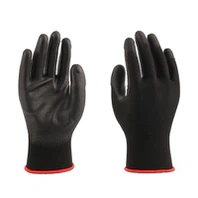
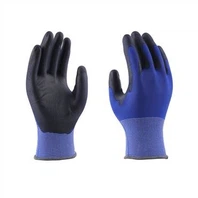
First off, let's talk about what cut resistant work gloves are. These gloves are designed to protect your hands from cuts and abrasions in various work environments. They're made with special materials that can withstand sharp objects and reduce the risk of injury. There are different types of cut resistant gloves out there, like HPPE FULL NITRILE COATED CUT RESISTANT GLOVES, which offer a high level of cut protection along with the benefits of a nitrile coating.
Now, when it comes to food processing, there are some unique requirements. Food safety is a top priority, and any equipment or gear used in this industry needs to meet strict standards. Gloves used in food processing need to be non - toxic, easy to clean, and free from any materials that could contaminate the food.
One of the main concerns with using cut resistant work gloves in food processing is the material they're made of. Some cut resistant gloves use materials that might not be food - safe. For example, certain chemicals or coatings on the gloves could potentially leach into the food, posing a health risk. However, not all cut resistant gloves are like this. There are gloves that are specifically designed to be food - safe and still offer cut protection.
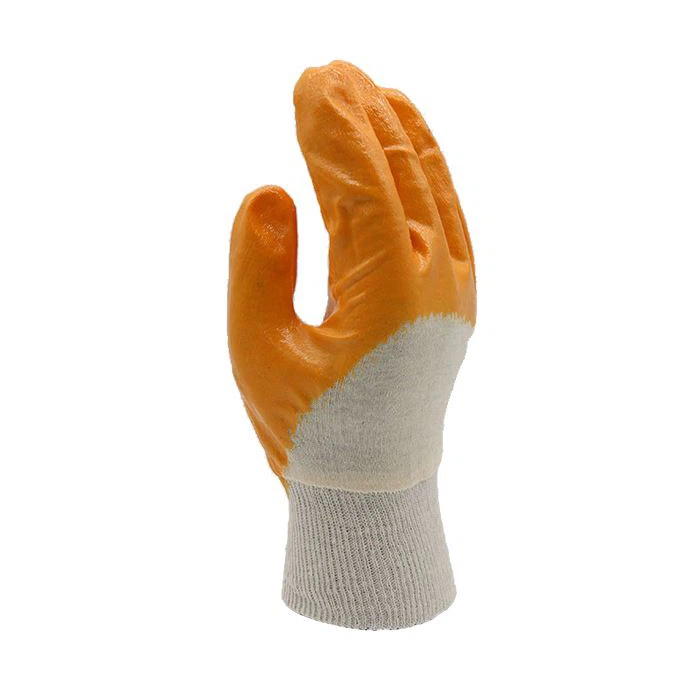
Let's take a look at the nitrile - coated gloves. Nitrile Coated Anti Abrasion Chemical Protective Work Gloves are a popular choice. Nitrile is a synthetic rubber that is known for its chemical resistance, durability, and good grip. It's also generally considered food - safe. When the nitrile coating is applied to a cut resistant base material, you get a glove that can protect your hands from cuts while also being suitable for food processing.
Another option is Sandy Nitrile Coated Gloves (Nylon). These gloves have a sandy texture on the nitrile coating, which provides an excellent grip, especially when handling wet or slippery food items. The nylon base offers some level of cut resistance, and the nitrile coating is food - safe.
But it's not just about the material. The design of the glove also matters. Gloves used in food processing should fit well. A loose - fitting glove can be a hazard as it might get caught in machinery or fall off during work, potentially contaminating the food. On the other hand, a glove that's too tight can restrict movement and cause discomfort, leading to reduced productivity.
Cleaning and maintenance are also crucial. Food processing gloves need to be cleaned regularly to prevent the buildup of bacteria and other contaminants. Cut resistant work gloves used in this industry should be easy to clean. Most nitrile - coated gloves can be washed with mild soap and water, and they dry relatively quickly.
Let's talk about the cut resistance levels. Different food processing tasks require different levels of cut protection. For example, if you're slicing through tough meats or vegetables, you'll need a glove with a higher cut resistance level. On the other hand, if you're just handling packaged food, a lower cut resistance glove might be sufficient. It's important to assess the specific risks in your food processing operation and choose the right cut resistant glove accordingly.

Now, I know what you're thinking. How do I know if a cut resistant glove is suitable for food processing? Well, look for gloves that are certified as food - safe. There are various certifications out there, such as the FDA (Food and Drug Administration) approval in the United States. Gloves with these certifications have been tested to ensure they meet the necessary food safety standards.
In addition to food safety, comfort is also a big factor. Workers in the food processing industry often have to wear gloves for long periods. If the gloves are uncomfortable, it can lead to fatigue and even accidents. Cut resistant gloves should be flexible and allow for a full range of motion. They should also have a soft lining to prevent irritation.
Another aspect to consider is the cost. Cut resistant gloves can vary in price depending on the material, cut resistance level, and brand. However, it's important not to compromise on quality and safety for the sake of cost. Investing in high - quality, food - safe cut resistant gloves can actually save you money in the long run by reducing the risk of injuries and food contamination.
So, to answer the question, yes, cut resistant work gloves can be used for food processing, but you need to choose the right ones. Make sure they're made of food - safe materials, have the appropriate cut resistance level, fit well, are easy to clean, and are comfortable to wear.
If you're in the food processing industry and looking for cut resistant work gloves, I'd love to help. We offer a wide range of gloves that meet the highest standards of food safety and cut protection. Whether you need HPPE FULL NITRILE COATED CUT RESISTANT GLOVES, Nitrile Coated Anti Abrasion Chemical Protective Work Gloves, or Sandy Nitrile Coated Gloves (Nylon), we've got you covered. Reach out to us to discuss your specific needs and start a procurement discussion. We're here to make sure you get the best gloves for your food processing operation.
References:
- General knowledge of cut resistant gloves and food safety standards.
- Industry reports on glove materials and their suitability for food processing.