Bricklaying is a physically demanding and labor - intensive task that requires workers to be well - equipped. Among the various tools and protective gear, gloves play a crucial role. In the market, black PU gloves have emerged as a potential option for bricklayers. As a supplier of Black PU Gloves, I will delve into the suitability of black PU gloves for bricklaying in this blog.
Understanding the Requirements of Bricklaying
Before assessing the viability of black PU gloves for bricklaying, it's essential to understand the specific demands of the job. Bricklayers handle bricks, mortar, and various tools throughout the workday. Their hands are constantly exposed to abrasion from the rough surfaces of bricks and the friction caused by handling tools. Mortar, which contains chemicals, can be caustic and irritating to the skin, and there is also a risk of cuts and minor injuries from sharp edges of bricks and tools.
A good pair of gloves for bricklaying should offer high - level abrasion resistance to withstand the constant rubbing against bricks and other rough materials. They need to provide protection against chemicals in the mortar to prevent skin irritation and burns. Dexterity is also vital as bricklayers need to perform precise tasks such as placing bricks accurately and spreading mortar. Additionally, comfort is crucial, as workers may wear gloves for long hours, and uncomfortable gloves can lead to fatigue and reduced productivity.
Features of Black PU Gloves
Abrasion Resistance
Polyurethane (PU) is known for its excellent abrasion - resistant properties. The black PU coating on the gloves forms a durable layer that can withstand the friction and abrasion associated with bricklaying. When bricklayers handle bricks, there is a lot of scraping and rubbing, and the PU coating protects the underlying glove material, ensuring a longer lifespan for the gloves.
Chemical Resistance
Mortar contains substances like lime and cement, which can be corrosive to the skin. Black PU gloves typically offer a certain degree of chemical resistance. The PU coating can act as a barrier, reducing the risk of the chemicals in the mortar coming into direct contact with the hands, thus protecting the skin from irritation and potential damage.
Dexterity
The flexibility of PU - coated gloves allows for a good range of hand movement. Unlike some bulky gloves that can impede dexterity, black PU gloves are designed to fit snugly on the hands. This enables bricklayers to perform delicate tasks such as picking up small bricks or accurately applying mortar with a trowel. The gloves conform to the shape of the hand, providing a natural feel and allowing for precise control.
Comfort
Comfort is a key factor, and black PU gloves often address this well. The materials used in the base of the gloves are usually breathable, which helps to keep the hands cool and dry during long - term use. The smooth surface of the PU coating also reduces the likelihood of the gloves causing irritation to the skin, even with extended wear.
Advantages of Using Black PU Gloves for Bricklaying
Cost - Effectiveness
Compared to some other types of specialized work gloves, black PU gloves are relatively affordable. They offer a good balance between performance and cost, making them an attractive option for bricklaying contractors and individual workers. Since they have a decent lifespan due to their abrasion - resistant properties, the cost per use is relatively low.
Visibility
The black color of the gloves can be an advantage in a bricklaying environment. It is less likely to show dirt and stains compared to lighter - colored gloves. This means that the gloves can maintain a presentable appearance for a longer time, and workers don't have to worry about constantly changing gloves due to visible dirt.


Availability
As a supplier, I can attest to the wide availability of black PU gloves. They are stocked in large quantities in the market, and bricklayers can easily find the right size and style to suit their needs. Whether it's a small - scale construction project or a large - scale building site, there is usually no shortage of black PU gloves.
Limitations and Considerations
Extreme Chemical Exposure
While black PU gloves offer some chemical resistance, they may not be suitable for extremely harsh chemical environments. If the mortar contains highly concentrated or aggressive chemicals, additional protection may be required. In such cases, workers may need to consider using gloves with a higher level of chemical - resistant coatings or a combination of gloves for enhanced protection.
Cut Resistance
Although the gloves provide some protection against minor cuts, they may not offer the same level of cut resistance as specialized cut - resistant gloves. If there is a significant risk of sharp objects in the bricklaying process, such as broken bricks or sharp metal tools, workers should be cautious and may need to consider additional cut - protection measures.
Comparison with Other Types of Gloves
Leather Gloves
Leather gloves are a traditional choice for bricklaying. They offer good abrasion resistance and a certain level of durability. However, leather gloves can be heavy and less flexible compared to black PU gloves. They may also be more expensive, and they can absorb moisture, which can make them uncomfortable during long - term use. In terms of chemical resistance, leather may not be as effective as PU in protecting against the chemicals in mortar.
Latex Gloves
Latex gloves are known for their high dexterity and good grip. However, they are not as abrasion - resistant as black PU gloves, and they may not provide sufficient protection against the rough surfaces of bricks. Additionally, some workers may be allergic to latex, which limits their use.
Specific Product Recommendations
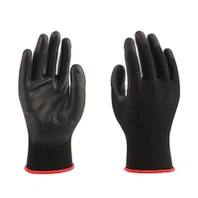
Pu Palm Coated Nylon Glove
The Pu Palm Coated Nylon Glove is a great option for bricklaying. The nylon base provides a lightweight and breathable feel, while the PU palm coating offers excellent abrasion resistance. The design allows for good dexterity, making it suitable for the precise tasks involved in bricklaying.
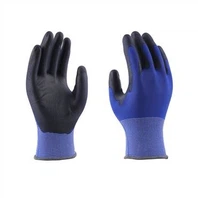
13G CARBON FIBER ANTI - STATIC PU COATED GLOVES
The 13G CARBON FIBER ANTI - STATIC PU COATED GLOVES offer enhanced protection. The carbon fiber component adds an extra layer of durability, and the anti - static feature can be beneficial in some construction environments. The PU coating on these gloves provides the necessary chemical and abrasion resistance needed for bricklaying.
Black PU Coated Gloves
Our Black PU Coated Gloves are specifically designed for various industrial applications, including bricklaying. They are available in different thicknesses and styles to meet the diverse needs of bricklayers. The gloves are rigorously tested to ensure high - quality performance in terms of abrasion, chemical resistance, and dexterity.
The Bottom Line
In conclusion, black PU gloves can be a viable option for bricklaying. They offer a range of benefits, including abrasion resistance, chemical protection, dexterity, and comfort. However, it's important to be aware of their limitations, especially in extreme chemical exposure and high - cut - risk situations. By choosing the right black PU gloves and understanding their capabilities, bricklayers can enhance their safety and productivity on the job.
If you are in the market for high - quality black PU gloves for your bricklaying needs, don't hesitate to contact us for procurement and further discussion. We are committed to providing the best products and services to meet your requirements.
References
- "Hand Protection in Construction: A Guide to Selecting the Right Gloves" - Construction Safety Journal
- "Properties of Polyurethane in Industrial Applications" - Industrial Materials Research Magazine