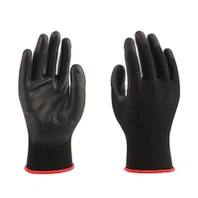
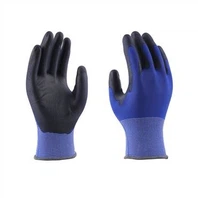
As a supplier of Foam Nitrile Coated Gloves, I often encounter various inquiries from customers. One question that has come up quite frequently is whether foam nitrile coated gloves are resistant to insect bites. In this blog post, I'll delve into this topic, exploring the properties of foam nitrile coated gloves and their effectiveness against insect bites.
Understanding Foam Nitrile Coated Gloves
Foam nitrile coated gloves are a type of protective handwear that combines the benefits of a nitrile coating with a comfortable liner. The nitrile coating is applied in a foam form, which provides several advantages. Firstly, it offers excellent grip, even in wet or oily conditions. This makes the gloves suitable for a wide range of industries, including food processing, manufacturing, and automotive. Secondly, the foam structure of the nitrile coating makes the gloves more breathable compared to traditional non - foam nitrile gloves. This reduces hand fatigue and sweating during extended use.
There are different types of foam nitrile coated gloves available in the market. For example, the Gray Nylon With Spandex Micro Foam Nitrile Coated Gloves combine the flexibility of nylon and spandex with the protection of a micro - foam nitrile coating. The 13 Gauge Foam Nitrile Coated Gloves are known for their durability and dexterity, making them ideal for tasks that require precision. And the Microfoam Nitrile Coated Gloves offer a balance between protection and comfort.
Insect Bites and Their Risks
Insect bites can cause a variety of problems, ranging from mild irritation to serious health issues. Mosquitoes, for instance, are known carriers of diseases such as malaria, dengue fever, and Zika virus. Ticks can transmit Lyme disease, which can have long - term effects on the body if left untreated. Other insects like bees, wasps, and hornets can cause painful stings that may lead to allergic reactions in some individuals.
When working in outdoor environments, such as agriculture, forestry, or landscaping, workers are at a higher risk of being bitten by insects. Protecting the hands from insect bites is crucial not only for comfort but also for preventing potential health problems.
Are Foam Nitrile Coated Gloves Resistant to Insect Bites?
To determine the resistance of foam nitrile coated gloves to insect bites, we need to consider the physical properties of the gloves and the biting mechanisms of different insects.
Physical Properties of Foam Nitrile Coated Gloves
The nitrile coating on these gloves is relatively thick and tough. It forms a barrier between the skin and the external environment. The foam structure, while providing breathability, also adds an extra layer of protection. The liner material, which is often made of nylon or a blend of fibers, further enhances the overall strength of the glove.
Biting Mechanisms of Insects
Different insects have different biting or stinging mechanisms. Mosquitoes use a proboscis to pierce the skin and suck blood. Ticks have specialized mouthparts that they use to attach to the skin and feed. Bees and wasps have stingers that can penetrate the skin and inject venom.
In general, the thick nitrile coating of foam nitrile coated gloves can provide a certain level of resistance to insect bites. The tough material makes it difficult for mosquitoes and other small insects with relatively weak piercing mouthparts to penetrate the glove. However, for larger insects with stronger stingers, such as bees and wasps, the gloves may not offer complete protection. If a bee or wasp stings with enough force, the stinger may be able to penetrate the nitrile coating, especially in areas where the glove is thinner or has a defect.
Factors Affecting Resistance
Several factors can affect the resistance of foam nitrile coated gloves to insect bites. The thickness of the nitrile coating is an important factor. Thicker coatings generally offer better protection. The quality of the manufacturing process also matters. Gloves with a uniform and well - applied coating are more likely to be resistant to insect bites. Additionally, the condition of the gloves plays a role. If the gloves are torn, punctured, or worn out, their ability to resist insect bites will be significantly reduced.
Testing and Evidence
There have been limited scientific studies specifically focused on the insect - bite resistance of foam nitrile coated gloves. However, based on the physical properties of the gloves and the experiences of users in the field, we can make some reasonable assumptions.
Some users in outdoor industries have reported that wearing foam nitrile coated gloves reduces the frequency of insect bites on their hands. They have noticed fewer mosquito bites and less irritation compared to when they work without gloves. However, these reports are mostly anecdotal, and more rigorous testing is needed to provide conclusive evidence.
Advantages of Using Foam Nitrile Coated Gloves for Insect Protection
Even if foam nitrile coated gloves do not offer 100% protection against all insect bites, they still have several advantages when it comes to insect protection.
Comfort
As mentioned earlier, these gloves are more breathable than traditional non - foam nitrile gloves. This means that workers can wear them for longer periods without experiencing excessive sweating and discomfort. This is important in outdoor work where workers may need to keep their hands protected for extended periods.


Multi - Purpose Use
Foam nitrile coated gloves are not only useful for protecting against insect bites but also for other tasks. They can protect the hands from cuts, abrasions, chemicals, and other hazards. This makes them a versatile choice for workers in various industries.
Limitations and Precautions
While foam nitrile coated gloves can provide some level of protection against insect bites, it's important to be aware of their limitations. As mentioned, they may not be able to prevent stings from larger insects with strong stingers.
Workers should also take additional precautions when working in areas with a high risk of insect bites. This may include wearing long - sleeved shirts and pants, using insect repellents, and checking for ticks after work. If a worker is stung or bitten by an insect while wearing the gloves, they should immediately remove the gloves and clean the affected area. If there are signs of an allergic reaction, such as swelling, difficulty breathing, or dizziness, they should seek medical attention immediately.
Conclusion
In conclusion, foam nitrile coated gloves can offer a certain degree of resistance to insect bites, especially from small insects with weak piercing mouthparts. However, they are not a foolproof solution, and their effectiveness depends on various factors such as the thickness of the coating, the quality of the gloves, and the type of insect.
If you are in an industry where protection against insect bites is a concern, foam nitrile coated gloves can be a valuable addition to your protective equipment. They offer comfort, versatility, and some level of protection. We, as a supplier of foam nitrile coated gloves, are committed to providing high - quality products that meet the diverse needs of our customers.
If you are interested in purchasing foam nitrile coated gloves for your business or personal use, we encourage you to contact us for more information and to discuss your specific requirements. We can provide you with samples and detailed product specifications to help you make an informed decision.
References
- General knowledge about insects and their biting mechanisms from entomology textbooks.
- User reports and feedback from workers in outdoor industries.