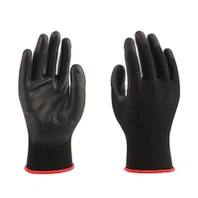
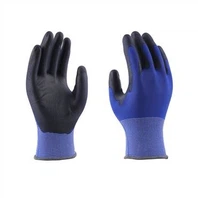
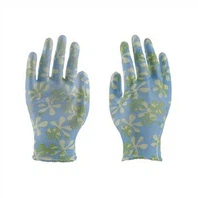
Nitrile Butadiene Rubber (NBR) gloves have become a staple in various industries, from healthcare to industrial work, due to their durability and resistance to many chemicals. One of the most common questions asked about NBR gloves is whether they are waterproof. As a leading NBR gloves supplier, I'm here to provide a comprehensive answer to this question.
Understanding the Basics of NBR Gloves
NBR gloves are made from a synthetic rubber called nitrile butadiene rubber. This material is known for its excellent resistance to punctures, tears, and chemicals. It's also more resistant to oils and greases compared to natural rubber latex gloves, making it a popular choice in industries where contact with these substances is common.
The manufacturing process of NBR gloves involves dipping a hand-shaped form into a nitrile solution, which is then cured to form a solid glove. The thickness and coating of the gloves can vary depending on their intended use. For example, gloves used in healthcare settings may be thinner and more flexible, while those used in industrial work may be thicker and more durable.
Waterproofing Mechanism of NBR Gloves
NBR itself is a relatively waterproof material. The molecular structure of nitrile butadiene rubber creates a tight barrier that prevents water molecules from passing through. When the gloves are properly manufactured, this barrier effectively keeps water out.


However, the waterproofness of NBR gloves can be affected by several factors. The thickness of the glove is one of the most important factors. Thicker gloves generally provide better waterproofing because they have more material to act as a barrier. For instance, our NBR Heavy Duty 3/4 Nitrile Coated Chemical Protective Work Gloves are designed with a thick nitrile coating, which offers excellent waterproof protection for heavy-duty work.
The integrity of the glove is also crucial. Any punctures, tears, or holes in the glove can compromise its waterproofing ability. Even a small pinhole can allow water to seep through. Therefore, it's important to inspect the gloves before use to ensure they are in good condition.
Applications Where Waterproof NBR Gloves are Essential
There are many industries where waterproof NBR gloves are essential. In the food processing industry, workers need to handle wet ingredients and clean equipment regularly. Waterproof gloves protect their hands from water and prevent contamination of the food products. Our Blue Nitrile Gauntlet Gloves are a popular choice in this industry due to their long cuffs, which provide additional protection against water splashes.
In the automotive industry, mechanics often work with water-based cleaning agents and lubricants. Waterproof NBR gloves keep their hands dry and protected from chemicals. The gloves also provide a good grip, which is important when handling tools and parts.
In the healthcare industry, waterproof gloves are used during procedures that involve contact with body fluids. They prevent the transmission of pathogens and protect the healthcare workers' hands from getting wet.
Limitations of NBR Gloves in Terms of Waterproofing
While NBR gloves are generally waterproof, they do have some limitations. Prolonged immersion in water can cause the gloves to swell, which may reduce their waterproofing effectiveness. The swelling can also make the gloves uncomfortable to wear and may affect dexterity.
In addition, extreme temperatures can also affect the waterproofing ability of NBR gloves. At very low temperatures, the rubber can become brittle and more prone to cracking, which can compromise the waterproof barrier. At very high temperatures, the rubber may soften and lose its shape, also reducing its waterproofing performance.
How to Ensure the Waterproofness of NBR Gloves
To ensure the waterproofness of NBR gloves, it's important to choose the right gloves for the job. Consider the thickness, length, and coating of the gloves based on the specific requirements of your work. For example, if you need gloves for light-duty work that involves occasional contact with water, a thinner glove may be sufficient. However, if you need gloves for heavy-duty work that involves prolonged immersion in water, a thicker glove with a high-quality coating is recommended.
Proper storage of the gloves is also important. Store the gloves in a cool, dry place away from direct sunlight and heat sources. This helps to maintain the integrity of the rubber and prevent damage to the waterproof barrier.
Conclusion
In conclusion, NBR gloves are generally waterproof due to the inherent properties of nitrile butadiene rubber. However, their waterproofing ability can be affected by factors such as thickness, integrity, temperature, and prolonged immersion in water. By choosing the right gloves for the job, inspecting them before use, and storing them properly, you can ensure that the gloves provide effective waterproof protection.
As a NBR gloves supplier, we offer a wide range of high-quality NBR gloves that are designed to meet the diverse needs of different industries. Our Nitrile Coated Cotton Gloves combine the comfort of cotton with the waterproof and chemical-resistant properties of nitrile, making them a popular choice for many applications.
If you're interested in purchasing NBR gloves for your business, we'd love to hear from you. Contact us to discuss your specific requirements and explore our product range. We're committed to providing you with the best quality gloves at competitive prices.
References
- ASTM International. (Year). Standard test methods for rubber properties in compression. ASTM D395.
- ISO. (Year). Rubber, vulcanized or thermoplastic - Determination of compression set. ISO 815.
- Manufacturer's specifications for NBR gloves.